Brazil is far more than beaches and Carnival. From religious processions to vibrant folklore festivals, the country celebrates culture year-round, offering unforgettable experiences for tourists—especially Brazilians living abroad seeking a connection to their roots.
By Carol Mendes | Translation: Ann Fain

From faith to folklore, Brazilian festivals reflect deep cultural roots.
Brazil is often associated with paradise beaches, Carnival, and vibrant energy. But beyond that image lies a rich tapestry of popular festivals that reflect the country’s deep cultural, religious, and folkloric traditions.
Brazilians are naturally festive, and throughout the year, countless celebrations take place across the country. These events, if more widely promoted globally, could attract even more international visitors. Here’s a closer look at some of Brazil’s most iconic festivals.
Folia de Reis: Faith and Tradition After Christmas
Celebrated from Christmas Eve to January 6, the Folia de Reis marks the journey of the Three Wise Men to visit Jesus.
In states like São Paulo, Minas Gerais, Bahia, and Espírito Santo, groups called reisados visit homes performing music, dance, and theatrical acts.
Unlike the biblical tradition, these groups receive gifts instead of offering them, with hosts providing food as a gesture of gratitude and hospitality.
Festa do Divino: A 10-Day Spiritual Celebration
The Festa do Divino Espírito Santo is one of Brazil’s most expressive religious festivals, influenced by Azorean culture since 1748.

Festa do Divino is a religious celebration honoring the Holy Spirit with processions, masses, and community events.
The celebration includes:
- Processions and sung masses
- Community fundraising actions
- Regional folkloric performances
It lasts around 10 days, ending on Pentecost Sunday, symbolizing the descent of the Holy Spirit upon the apostles.
Círio de Nazaré: One of the World’s Largest Processions
Held in Belém (Pará), the Círio de Nazaré gathers more than 2 million faithful, making it one of the largest religious events in the world.
Key highlights include:
- Lighting of a giant wax candle
- Music, dances, and religious promises
- Devotion to a saint linked to miraculous stories
São João: The Heart of Northeastern Brazil
Celebrated throughout June, São João honors Saint Anthony, Saint John, and Saint Peter.
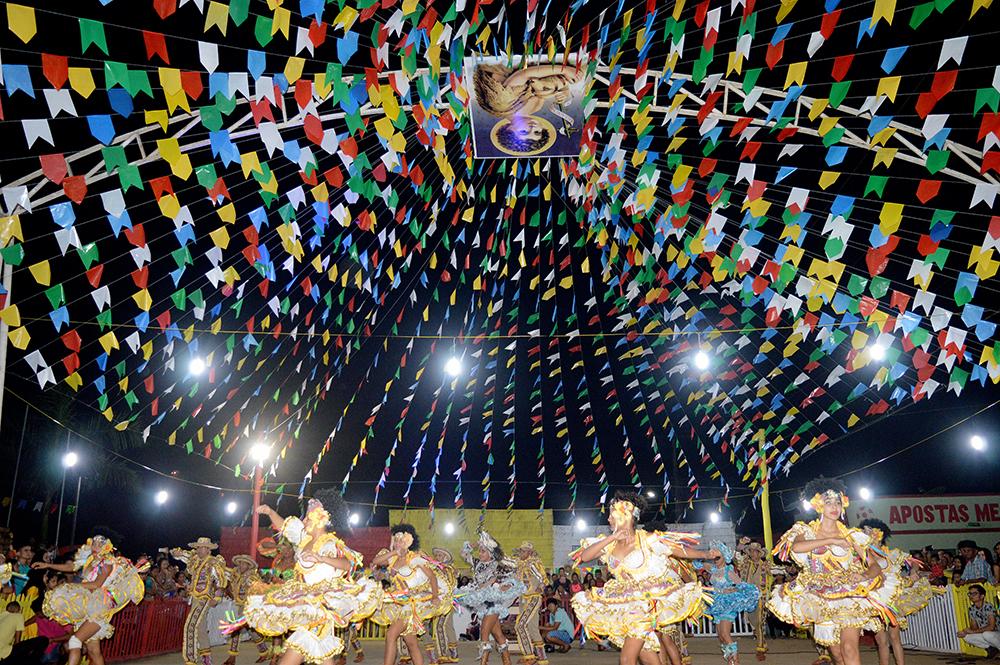
São João is a vibrant June festival marked by forró music, traditional foods, and colorful decorations.
Marked by:
- Colorful decorations and fireworks
- Traditional foods made from corn and coconut
- The rhythm of forró, played with zabumba, triangle, and accordion
The biggest celebrations take place in:
- Campina Grande (Paraíba)
- Caruaru (Pernambuco)
Caruaru, known as the “Capital of Forró”, offers attractions like:
- Luiz Gonzaga Events Patio
- The famous Caruaru Fair
- Street performances and electric trios
Boi Bumbá & Parintins Festival: Folklore in Motion
The Boi Bumbá festival celebrates Brazil’s rich folklore, especially in the North and Maranhão.
It features:
- Theatrical storytelling
- Costumes, dance, and music
- Narratives rooted in colonial history and slavery

Boi Bumbá is a folkloric festival that tells the story of an ox through music, dance, and theatrical performances.
A major highlight is the Parintins Folkloric Festival (Amazonas):
- Held since 1965
- Takes place in the Bumbódromo stadium
- Features a competition between two oxen: red and blue
- Attracts around 35,000 spectators over three nights
Barretos Rodeo: Brazil’s Cowboy Tradition
Since 1956, the Barretos Rodeo (São Paulo) has been the largest rodeo event in the world.
It includes:
- Bull riding competitions
- Concerts with famous Brazilian artists
- A rich gastronomic fair
Cachaça Festival in Paraty
In Paraty (Rio de Janeiro), the Cachaça Festival celebrates one of Brazil’s most iconic drinks.
Visitors can:
- Taste different cachaça varieties
- Explore local cuisine
- Experience a lively cultural expo atmosphere
São Paulo Pride Parade: Diversity and Visibility
Since 1997, the São Paulo Pride Parade has become one of the largest LGBTQ+ events in the world.
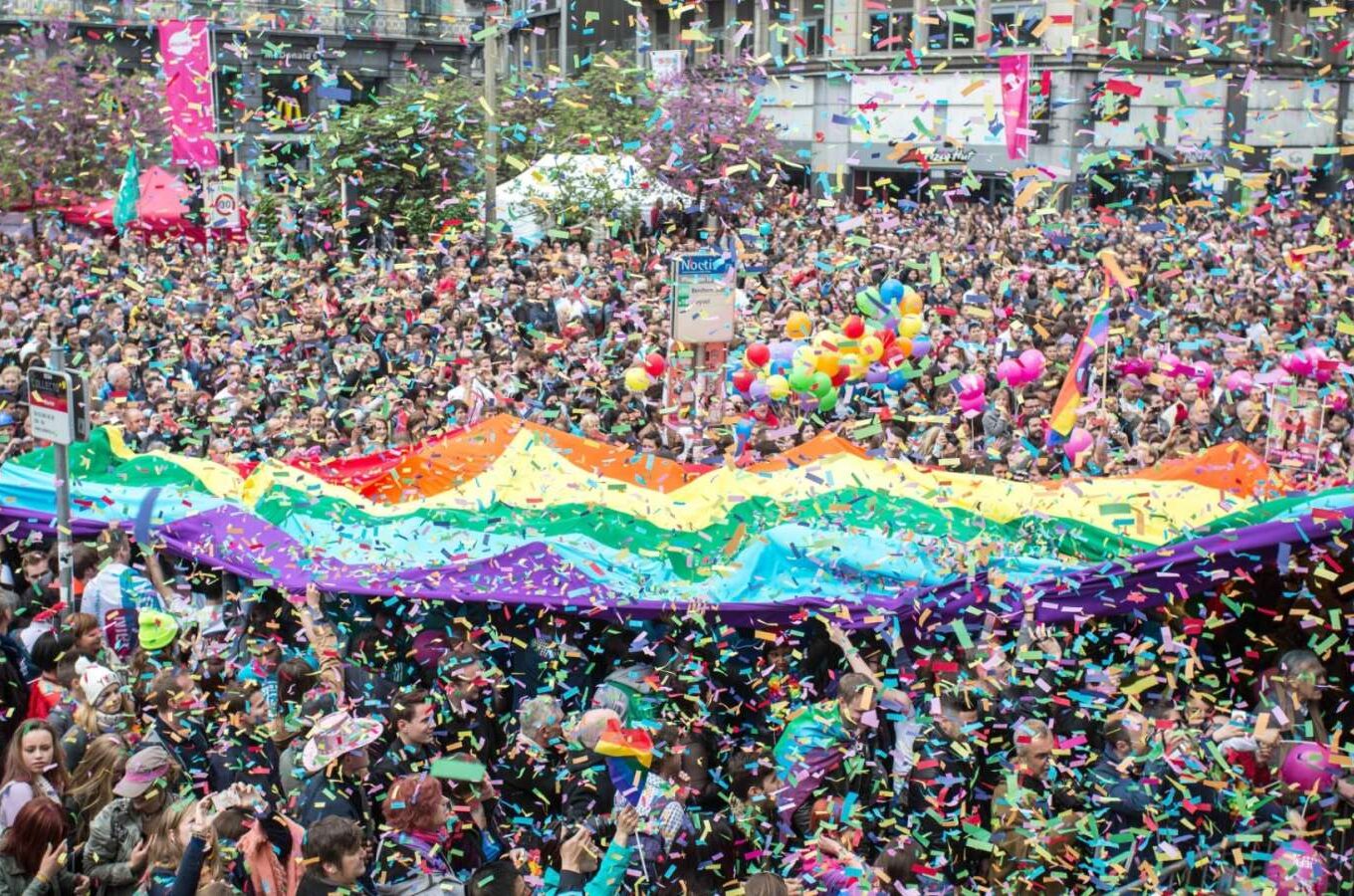
São Paulo Pride Parade is one of the biggest LGBTQ+ events in the world, promoting diversity and inclusion.
The parade:
- Promotes visibility and rights
- Attracts millions of participants
- Generates significant tourism revenue
Its success inspired similar events in cities like Rio de Janeiro and Recife.
New Year’s Eve in Brazil: A Unique Coastal Tradition
Cities like Rio de Janeiro, Salvador, Florianópolis, Fortaleza, and Recife host spectacular New Year’s Eve celebrations.
Traditions include:
- Wearing all white for peace
- Going to the beach barefoot
- Throwing white flowers into the sea at midnight
These free public events are filled with music, joy, and hope for the year ahead.
Conclusion
No matter the time of year, Brazil offers a celebration somewhere in the country. These festivals showcase the nation’s diversity, spirituality, and joy, making it a top destination for those who want to experience authentic culture—especially Brazilians living abroad longing for a taste of home.
FAQ – Frequently Asked Questions
1. What is the most famous festival in Brazil?
While Carnival is globally known, events like São João and Círio de Nazaré are equally significant culturally.
2. When is the best time to visit Brazil for festivals?
It depends—June (São João), October (Círio de Nazaré), and New Year’s Eve are peak times.
3. Are Brazilian festivals family-friendly?
Yes, most festivals are inclusive and suitable for all ages, especially cultural and religious ones.
4. Which festivals are best for tourists in the U.S.?
São João, New Year’s Eve in Rio, and São Paulo Pride are highly accessible and popular among international visitors.
5. Do I need tickets for these festivals?
Many are free public events, though some, like Parintins or rodeos, may require tickets.