The U.S. real estate market in 2026 is gradually becoming more balanced after the pandemic-era boom. Mortgage rates remain around 6.6%, keeping affordability under pressure, while home-price growth has slowed and inventory has improved in many markets. Buyers have more negotiating power than during the pandemic, while sellers must price competitively and account for significant regional differences.

U.S. housing is entering a more balanced phase in 2026.
The U.S. housing market of 2026 looks very different from the frenzy that defined the pandemic years, but the effects of that period are still shaping decisions for buyers and sellers.
Before COVID-19, the market was relatively balanced. In 2019, the median existing-home price was about $274,600 and the average 30-year mortgage rate was 3.94%. Then came the pandemic. Mortgage rates fell to roughly 3% in 2020 and 2021, while demand surged as remote work, low borrowing costs and changing lifestyle preferences pushed more Americans into the housing market.
Existing-home sales reached 6.12 million in 2021, while the median price climbed to about $353,000.
The reversal came in 2022. As the Federal Reserve raised interest rates to fight inflation, the average 30-year mortgage rate rose to 5.34%. By 2023, it averaged 6.81%, while existing-home sales fell to 4.09 million, the lowest level since 1995.
Yet higher rates did not trigger a broad collapse in home values. Instead, millions of homeowners who locked in mortgages below 4% during the pandemic became reluctant to sell.
That “rate-lock” effect restricted inventory and helped keep prices elevated. In 2024, existing-home sales remained near a three-decade low at 4.06 million, even as the median price reached a record $407,500.
What the U.S. Housing Market Looks Like in 2026
By 2026, the market has become more balanced, but affordability remains the central challenge. In July, existing-home sales fell 1.7% from June to an annualized 4.06 million, while the median price stood at $431,400 and inventory represented 4.6 months of supply.
Year-to-date sales, however, were up 2.4%, suggesting that activity has stabilized rather than collapsed.
Mortgage rates remain the biggest obstacle. The 30-year fixed rate was around 6.66% in late August, compared with about 3% during the pandemic boom.
At the same time, new-home sales dropped 10.5% in July to a 607,000 annualized rate, showing how sensitive demand remains to borrowing costs.
What 2026 Means for Home Buyers
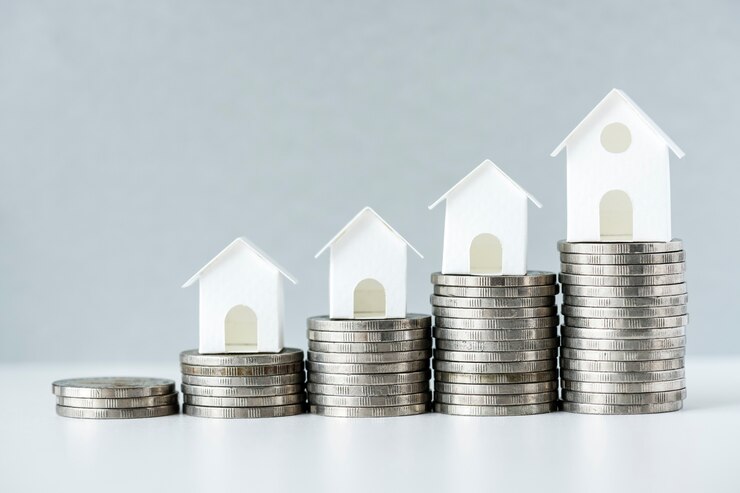
Mortgage rates remain the biggest challenge for buyers.
For buyers, 2026 offers something that was difficult to find during the pandemic: more negotiating room and less pressure to bid immediately.
But waiting for a dramatic price crash may not be the best strategy. Realtor.com expects existing-home prices to rise only 1.2% in 2026, below inflation, while existing-home sales are projected at about 4.10 million.
For financially prepared buyers, the current market can offer opportunities that were largely unavailable during the pandemic frenzy.
Sellers Face a More Selective Market
For sellers, the era of assuming that every home will attract multiple offers is over.
Pricing accurately, preparing the property and understanding local competition are increasingly important. Markets are also diverging sharply. Some Midwest and Northeast areas remain competitive, while parts of the West and Sun Belt are experiencing softer conditions.
That means national housing statistics provide only part of the picture. In 2026, location matters more than ever.
What to Expect for the Rest of 2026
The outlook for the remainder of 2026 is less about a dramatic boom or crash and more about gradual normalization.
If mortgage rates move closer to 6%, sales could gain momentum. If inflation and economic uncertainty keep rates elevated, affordability will continue to limit demand.
The post-pandemic housing market is not returning to 2019. Instead, 2026 is emerging as a transition year—one in which buyers, sellers and investors have to adapt to a new reality of higher financing costs, slower price appreciation and increasingly local market conditions.
FAQ – Frequently Asked Questions
Is 2026 a good year to buy a house in the U.S.?
It can be, particularly for buyers who are financially prepared and willing to negotiate. Buyers have more options than during the pandemic, but mortgage rates remain high.
Will U.S. home prices fall in 2026?
A major nationwide decline is not the main expectation. Realtor.com forecasts approximately 1.2% price growth for 2026, meaning prices could decline in real terms after inflation.
Are mortgage rates expected to fall in 2026?
Rates could decline if inflation cools and financial conditions ease, but the outlook remains uncertain. In late August, the 30-year fixed rate was around 6.6%.
Is it better to buy or sell a house in 2026?
There is no universal answer. Buyers benefit from greater negotiating power, while sellers can still benefit from limited inventory in competitive local markets.
Why are there still so few homes for sale?
Many homeowners refinanced during the pandemic at exceptionally low rates and are reluctant to give up those mortgages by moving. This “rate-lock” effect continues to restrict resale inventory.