The Arcos da Lapa (Arches of Lapa), in Rio de Janeiro have evolved from a colonial aqueduct into one of Brazil’s most iconic cultural and nightlife destinations. As the site approaches nearly nine decades as a protected heritage landmark, recent years show a surge in international tourism, urban revitalization policies and renewed cultural relevance.
⠀⠀⠀⠀⠀⠀⠀⠀
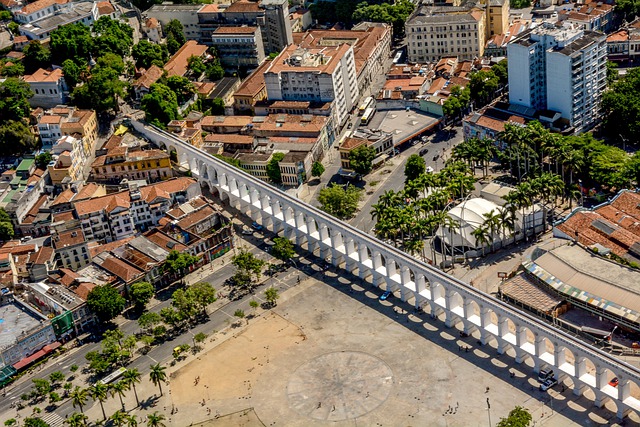
The Arcos da Lapa remain one of Brazil’s most iconic cultural heritage landmarks since 1938.
The Arcos da Lapa (Arches of Lapa), also known as the Carioca Aqueduct, remain one of the most emblematic landmarks in Rio de Janeiro, blending colonial engineering, cultural heritage and contemporary urban life. Initially recognized as a Brazilian Cultural Heritage Site in 1938 by the Instituto do Patrimônio Histórico e Artístico Nacional (Iphan), the monument has gained renewed attention in the years leading up to 2026—not only for its historical significance but also for its growing role in international tourism and nightlife.
From Colonial Infrastructure to Cultural Symbol
Built in the 18th century, the aqueduct is widely regarded as one of the most significant engineering works of colonial Brazil. Made of mortared stone, it features 42 double arches, each approximately 17 meters high, extending across 270 meters. Originally designed to transport water from the Carioca River to the city center, the structure later adapted to urban mobility, serving as a route for trams connecting the hills of Santa Teresa and Santo Antônio.
Its architectural inspiration draws from Roman aqueducts and Lisbon’s Águas Livres system, reinforcing the strong European influence on colonial Brazilian infrastructure.
Heritage Status and Preservation Policies
Since its designation as a protected site, the Arcos da Lapa have been subject to preservation policies under federal legislation managed by Iphan. In recent years, particularly between 2023 and 2026, public authorities have reinforced heritage protection through urban revitalization programs and increased monitoring of structural conservation.
Municipal initiatives by the Rio de Janeiro city government have also focused on improving lighting, public safety and accessibility in the Lapa district—key measures aimed at preserving the site while accommodating growing visitor flows.
A Rising International Tourism Hotspot
Over the past few years, Lapa has experienced a notable shift: from a predominantly local bohemian neighborhood to an increasingly global destination. According to tourism sector reports and data from Embratur, Rio de Janeiro has seen a recovery and growth in international arrivals post-pandemic, with nightlife districts like Lapa playing a central role in attracting younger travelers.
Travel platforms and hospitality studies in 2024 and 2025 indicate that experiential tourism—focused on music, nightlife and authentic cultural immersion—has driven demand for areas like Lapa. International visitors, particularly from North America and Europe, increasingly seek “non-traditional” tourist experiences beyond beaches and landmarks.
Nightlife, Culture and the Experience Economy
Today, the Arcos da Lapa are not just a historical monument—they are the backdrop to one of Brazil’s most vibrant nightlife scenes. The surrounding neighborhood hosts live samba venues, street parties, bars and cultural centers, making it a key hub in Rio’s “experience economy.”
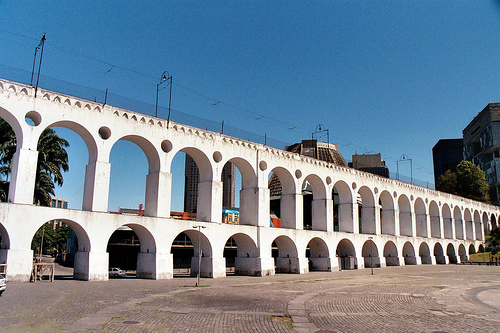
Lapa reflects the global rise of experiential tourism centered on culture and local identity.
This transformation aligns with broader urban trends: cities leveraging heritage sites as anchors for cultural tourism. In Lapa, this has translated into economic activity, job creation and increased visibility for local artists.
However, the growth also brings challenges. Authorities continue to address issues related to noise regulation, public safety and urban order—balancing tourism expansion with residents’ quality of life.
Looking Ahead to 2026 and Beyond
As the Arcos da Lapa approach nearly nine decades since their official heritage recognition, their role continues to evolve. The site stands as a symbol of Brazil’s ability to merge history with modern urban culture—preserving its past while adapting to contemporary demands.
In 2026, the arches represent more than an architectural relic: they are a living, dynamic space where history, tourism and nightlife intersect on a global stage.
FAQ – Frequently Asked Questions
1. What are the Arcos da Lapa?
The Arcos da Lapa are an 18th-century aqueduct in Rio de Janeiro, originally built to transport water and later adapted for tram use.
2. Why are the Arcos da Lapa historically important?
They are one of the largest colonial engineering works in Brazil and have been a protected heritage site since 1938.
3. Is Lapa safe for tourists in 2026?
Safety has improved with increased policing and urban policies, but visitors are still advised to remain cautious, especially at night.
4. Why is Lapa popular among international tourists now?
The area offers authentic cultural experiences, including samba, nightlife and street culture, which appeal to global travelers.
5. Can you visit the Arcos during the day?
Yes. The site is accessible year-round, with daytime visits focusing on architecture and nighttime visits highlighting entertainment.