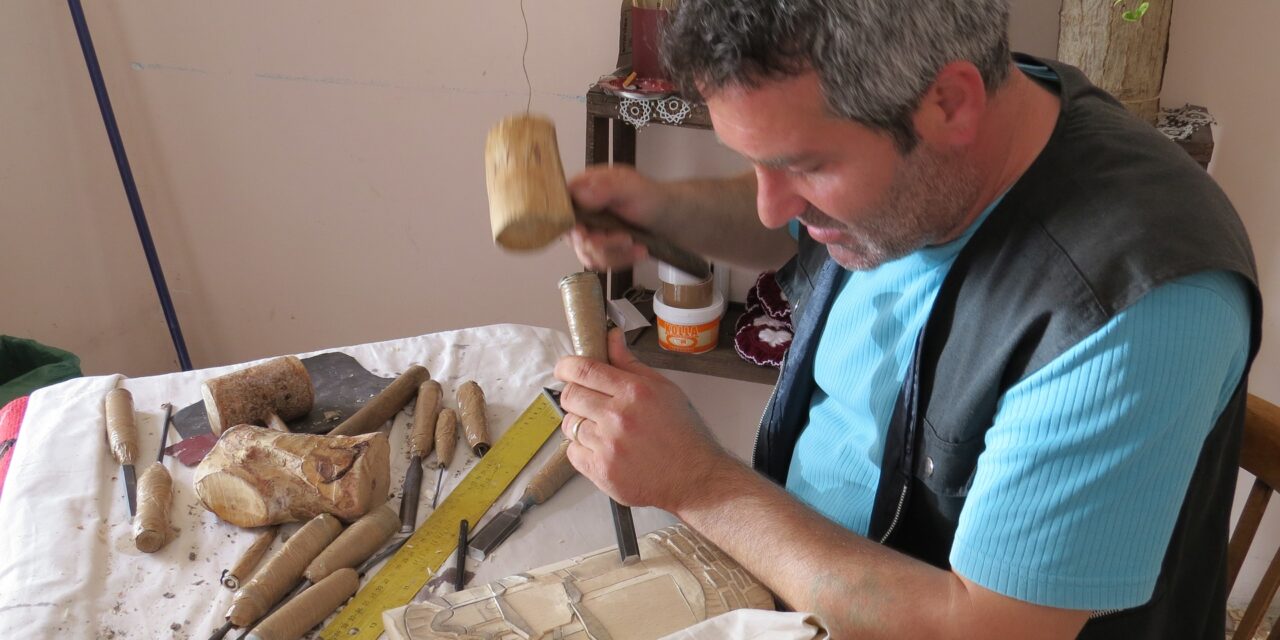
Brazilian arts and crafts reflect centuries of cultural influences from Indigenous peoples, Africans, Europeans, Asians, and Middle Eastern immigrants. From colorful artisan markets to handmade ceramics, lacework, woodcarving, and musical instruments, these traditions continue to preserve Brazil’s identity while supporting local communities and family businesses.

Brazilian handicrafts reflect centuries of Indigenous, African, European, and Asian cultural influences.
Brazil’s rich cultural identity has been shaped by Portuguese colonizers, Indigenous peoples, Africans, Europeans, and immigrants from the Middle East and Asia. One of the most vibrant expressions of this diverse heritage can be found in the country’s thriving arts and crafts traditions.
Although handicrafts were historically overlooked as a recognized art form, they have gained increasing appreciation over the past few decades for preserving regional traditions, celebrating local identities, and keeping ancestral techniques alive. Across Brazil, every region has developed its own artistic style, materials, and craftsmanship.
Handicrafts That Preserve Family Traditions
Creativity has always been an essential part of Brazilian culture. Many artisan techniques are passed from one generation to another, allowing families to preserve both their cultural identity and their livelihoods.
Today, artisans play an increasingly important role in Brazil’s economy. The handicraft industry has created opportunities for thousands of entrepreneurs—particularly women from low-income communities—to generate income, build businesses, and improve their families’ quality of life.
Craft Markets: Where Culture Comes to Life
For visitors exploring Brazil, artisan markets are among the country’s most authentic cultural attractions. Beyond shopping, they offer an immersive experience featuring local cuisine, music, traditions, and handmade products.
Below are four of Brazil’s most iconic craft markets.
Feira de São Cristóvão – Rio de Janeiro
One of Rio de Janeiro’s best-known cultural attractions, the Feira de São Cristóvão brings together nearly 700 stalls offering handicrafts, fabrics, clothing, souvenirs, and traditional Northeastern Brazilian cuisine.
Visitors can enjoy authentic regional dishes while listening and dancing to forró, one of Brazil’s most beloved musical styles, creating an atmosphere that celebrates Northeastern culture in the heart of Rio.
Feira da Liberdade – São Paulo
Established in 1975, the Feira Oriental da Liberdade was created to showcase the traditions and craftsmanship of Japanese and other Asian immigrant communities in São Paulo.
Today, the market is famous for its unique blend of Eastern and Brazilian cultures. Its food section is one of the biggest attractions, offering Chinese, Japanese, and Brazilian specialties alongside handmade crafts and cultural products.
Feira da Torre – Brasília
A favorite destination among Brasília residents and tourists alike, the Feira da Torre features a wide variety of handcrafted goods, including furniture, jewelry made from wood and seeds, linen and cotton clothing, regional dishes, and the traditional Brazilian fried pastry served with fresh sugarcane juice.
The fair is considered one of the city’s most important gathering places for local artisans.
Feira de Caruaru – Pernambuco

Craft markets offer visitors authentic experiences through handmade products, music, and regional cuisine.
Located in Caruaru, approximately 123 kilometers (76 miles) from Recife, the Feira de Caruaru is one of Brazil’s oldest and most traditional markets. It has been held for more than 200 years and is recognized as one of the country’s largest open-air fairs.
Spread across nearly two kilometers of city streets, hundreds of colorful stalls sell hats, baskets, clay and ceramic pieces, leather goods, textiles, furniture, and countless handmade products.
Caruaru is also internationally known for hosting one of the world’s largest São João (June Festival) celebrations, making the city a major cultural destination throughout the year.
The market is equally famous for its regional cuisine, where visitors can enjoy grilled meats, goat specialties, medicinal herbs, tropical fruits, vegetables, and traditional local delicacies.
Depending on the day, visitors may also encounter performances by traditional fife bands, percussion ensembles, and regional guitar players that further enrich the cultural experience.
Discover the Diversity of Brazilian Handicrafts
Woodcarving
Woodcarving is one of Brazil’s oldest artisan traditions. In Northeastern Brazil, many carving techniques were inherited from African communities brought to the country during the colonial period. Portuguese Jesuit missionaries also introduced methods for carving and painting religious figures in wood, initially teaching Indigenous converts.
Today, woodcarving remains especially strong in the states of Pernambuco and Bahia, while skilled artisans can also be found in Rio de Janeiro and São Paulo.
Ceramics
Clay art is another important expression of Brazilian craftsmanship.
The city of Tracunhaém, near Recife, is renowned for its handcrafted religious sculptures made from clay. Nearby Alto do Moura, in Caruaru, has earned international recognition for its ceramic tradition and is considered one of Brazil’s most important pottery centers.
In the Amazon region, artisans also produce distinctive ceramic vessels inspired by Indigenous traditions, featuring a wide variety of styles and decorative techniques.
Textiles
The northeastern state of Ceará is internationally recognized for its intricate lace-making tradition. Handmade lace products are sold throughout Brazil and are highly valued for their craftsmanship.
Across northern Brazil, visitors can also find beautifully woven hammocks and other textile products.
In southern Brazil, where European immigration had a strong influence, traditional clothing and leatherwork remain important artisan expressions, especially in regions known for cattle ranching.
Musical Instruments

Every Brazilian region showcases unique artistic traditions, from Amazon basketry to Northeastern ceramics, lacework, and woodcarving.
Many of Brazil’s traditional musical instruments reflect the country’s African heritage.
Among the most iconic is the berimbau, the single-string instrument used during capoeira performances. Other popular instruments include the zabumba, an essential percussion instrument in forró music.
The Northeast remains the best region to discover these handcrafted instruments and experience their cultural significance.
Souvenirs
One of Northeastern Brazil’s most distinctive crafts is the creation of colorful sand art inside glass bottles.
The towns of Lençóis, in Bahia, and Natal, in Rio Grande do Norte, are among the best places to purchase these unique souvenirs.
Visitors can also find memorable handcrafted gifts at famous cultural markets such as Casa da Cultura in Recife and the Hippie Fair in Ipanema, Rio de Janeiro.
Baskets
Brazil’s basket-making tradition is particularly strong in the Amazon states of Amazonas and Pará, as well as in the northeastern states of Paraíba, Pernambuco, and Bahia.
Using abundant natural fibers, artisans produce baskets, hammocks, fishing nets, baby carriers, ceremonial masks, body ornaments, and countless decorative pieces in a remarkable variety of shapes, sizes, and designs.
Conclusion
Brazilian arts and crafts represent far more than decorative objects—they tell the story of a nation shaped by diverse cultures, traditions, and generations of skilled artisans. Whether found in bustling urban markets or small rural communities, these handmade creations preserve Brazil’s cultural heritage while supporting local economies and inspiring future generations to continue these centuries-old traditions.
Frequently Asked Questions (FAQ)
1. What are Brazilian arts and crafts known for?
Brazilian handicrafts are known for their cultural diversity, incorporating Indigenous, African, European, and Asian influences through ceramics, lacework, woodcarving, basketry, textiles, and musical instruments.
2. What is the most famous craft market in Brazil?
The Feira de Caruaru in Pernambuco is one of Brazil’s oldest and most traditional artisan markets, while Feira de São Cristóvão in Rio de Janeiro is another major cultural destination.
3. Where can visitors buy authentic Brazilian handicrafts?
Popular places include Feira de São Cristóvão (Rio de Janeiro), Feira da Liberdade (São Paulo), Feira da Torre (Brasília), Feira de Caruaru (Pernambuco), Casa da Cultura (Recife), and the Hippie Fair in Ipanema.
4. Why are handicrafts important to Brazil’s economy?
The artisan sector generates income for thousands of families, especially women entrepreneurs, while preserving traditional techniques and supporting sustainable local economies.
5. Which Brazilian regions are best known for traditional crafts?
The Northeast is famous for ceramics, lace, leatherwork, woodcarving, and musical instruments, while the Amazon region is recognized for basketry, woven products, Indigenous ceramics, and natural-fiber handicrafts.