The Christ the Redeemer statue in Rio de Janeiro continues to rank as Brazil’s most iconic tourist attraction, according to global travel reviews and tourism data. Surveys based on millions of user evaluations highlight the monument as the country’s top destination, reflecting Brazil’s growing international tourism sector in 2026.

The Rio de Janeiro monument stands 38 meters tall atop Corcovado Mountain, overlooking the city
Perched atop the 710-meter Corcovado mountain in Rio de Janeiro, the monumental statue of Christ the Redeemer remains the most celebrated tourist attraction in Brazil, according to rankings based on millions of traveler reviews and online searches.
The recognition comes from global travel platforms such as Tripadvisor, whose annual awards analyze user comments and ratings to identify the world’s most highly regarded destinations. In Brazil, the Rio landmark consistently ranks first, surpassing several other cultural and historical attractions across the country.
Standing 38 meters tall and inaugurated in 1931, the statue overlooks the city from the summit of Corcovado Mountain. The monument is widely recognized as one of the New7Wonders Foundation “New Seven Wonders of the World,” and it attracts millions of visitors each year seeking panoramic views of Rio’s coastline and urban landscape.
Recent tourism data also reinforces its popularity. According to Brazil’s tourism promotion agency Embratur, the monument remained the most searched Brazilian attraction worldwide, with more than 175,000 online searches in a year, highlighting its global visibility.
The continued prominence of the statue coincides with Brazil’s efforts to boost international tourism. Government campaigns launched in European and North American markets emphasize Rio’s cultural icons and natural landscapes as key drivers of travel demand. According to Embratur president Marcelo Freixo, the monument represents a universal symbol of the country’s identity and hospitality.
“Rio de Janeiro is the country’s great postcard and main gateway. But our city’s greatest treasure isn’t just its iconic images—it’s our ability to welcome people from all over the world,” Freixo said during an international tourism promotion campaign.
The growth of international arrivals reinforces this trend. Data compiled by the Brazilian Ministry of Tourism and federal authorities indicate that Rio welcomed more than 500,000 foreign visitors in January alone, a significant increase compared with the previous year.
The 10 Most Voted Tourist Attractions in Brazil
Below are the destinations most frequently highlighted by travelers in Brazil.
- 1. Christ the Redeemer — Rio de Janeiro (RJ)
The iconic statue is widely considered Brazil’s most recognizable landmark. Located in Tijuca National Park, it combines religious symbolism with one of the most famous panoramic viewpoints in the world. The monument also serves as an international cultural symbol and a major driver of tourism in Rio.
- 2. Centro Cultural Banco do Brasil Rio de Janeiro — Rio de Janeiro (RJ)
Often referred to simply as CCBB Rio, the historic cultural center is among the country’s most visited museums. Located in Rio’s downtown historic district, it hosts large exhibitions, film festivals, theater productions and educational programs.
-

Designed by architect Oscar Niemeyer, the Metropolitan Cathedral of Brasília is one of the most striking symbols of Brazil’s modernist architecture
3. Metropolitan Cathedral of Brasília — Brasília (DF)
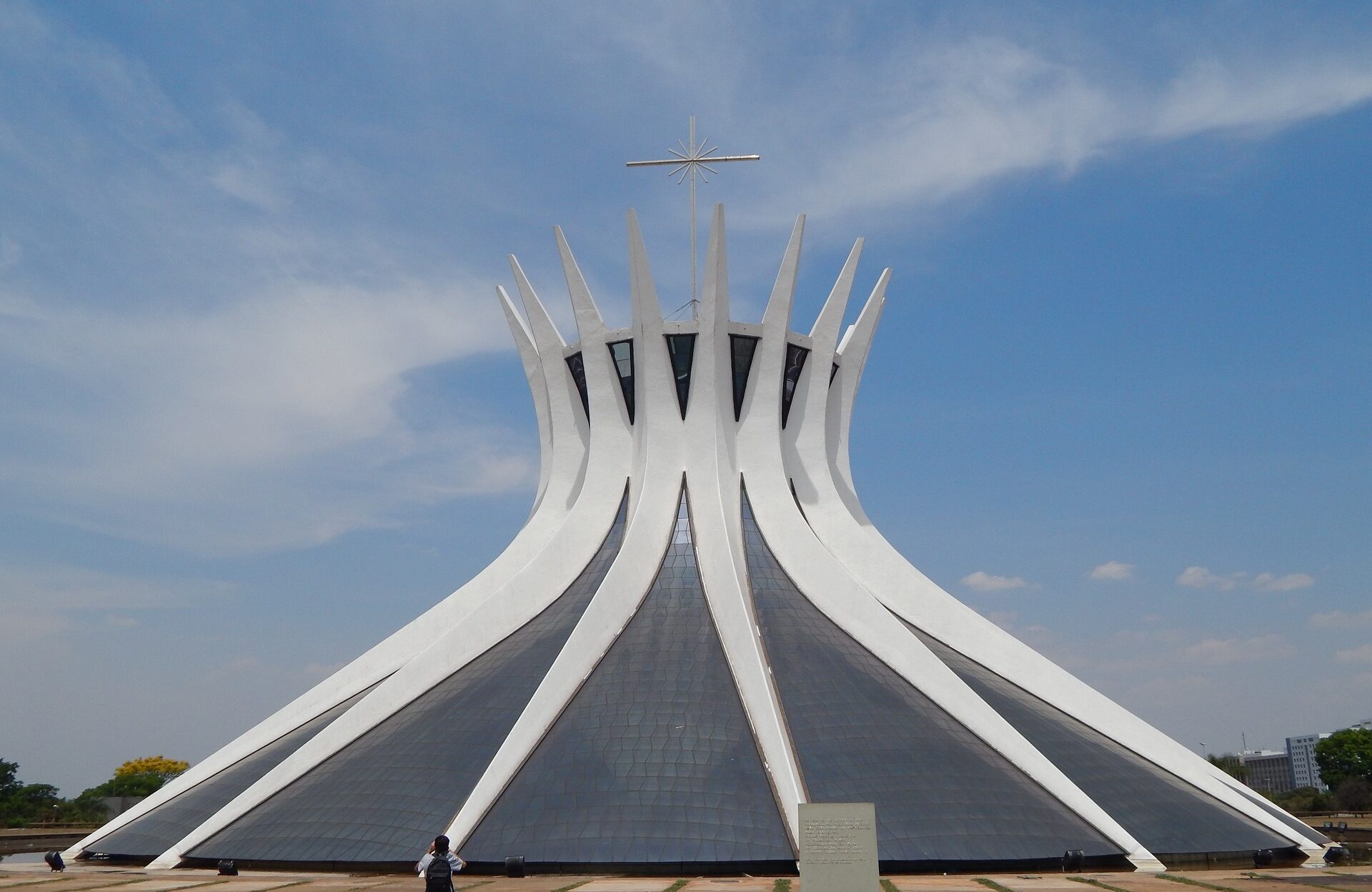
Designed by architect Oscar Niemeyer, the cathedral is one of the most striking examples of modernist architecture in Brazil. Its hyperboloid structure and stained-glass ceiling make it one of the architectural icons of the federal capital.
- 4. Itaipu Dam — Foz do Iguaçu (PR)
One of the largest hydroelectric plants in the world, Itaipu is also an educational tourism destination. Visitors can explore its engineering structure and sustainability programs while learning about renewable energy production.
- 5. Amazon Theatre — Manaus (AM)
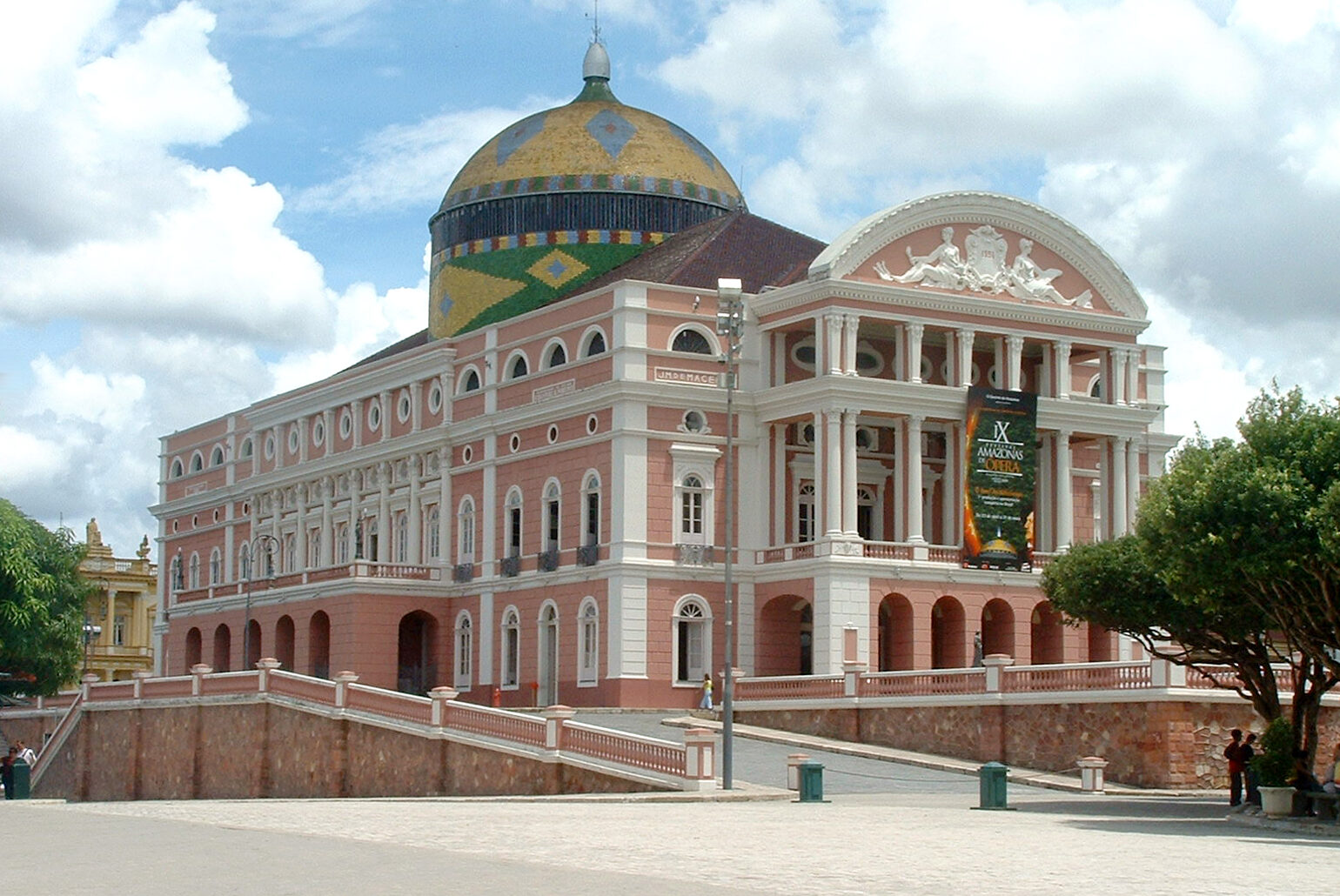
Built during the Amazon rubber boom in the late 19th century, the Amazon Theatre stands as a cultural jewel in the heart of the rainforest
Located in the heart of the Amazon rainforest, the late-19th-century opera house symbolizes the wealth generated by the rubber boom. Its European architectural style and restored interiors attract thousands of cultural tourists every year.
- 6. Liberdade Square — Belo Horizonte (MG)
Praça da Liberdade is the centerpiece of a cultural circuit composed of museums, historical buildings and gardens. The area blends political history with modern cultural spaces, making it a central attraction in the state capital.
- 7. Cathedral of Our Lady of Lourdes — Canela (RS)
Popularly known as the “Stone Cathedral,” this neo-Gothic church is one of the most visited landmarks in southern Brazil. Its illuminated tower and alpine-style architecture attract tourists traveling through the Serra Gaúcha region.
- 8. Church and Convent of Saint Francis — Salvador (BA)
This Baroque church, famous for its interior covered in gold leaf, is considered one of the richest examples of colonial architecture in Latin America and a UNESCO-recognized heritage site.
-
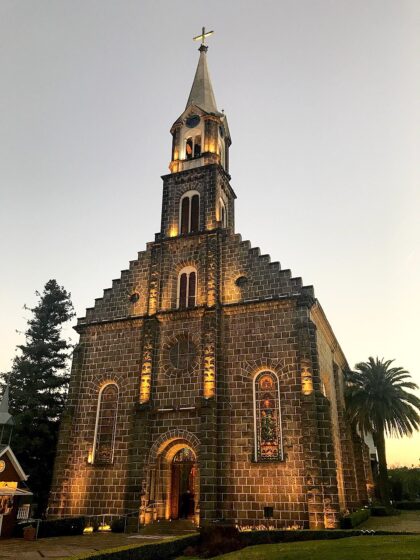
Saint Peter the Apostle Church is a landmark known for its stone façade and central role in the town’s main square
9. Saint Peter the Apostle Church — Gramado (RS)
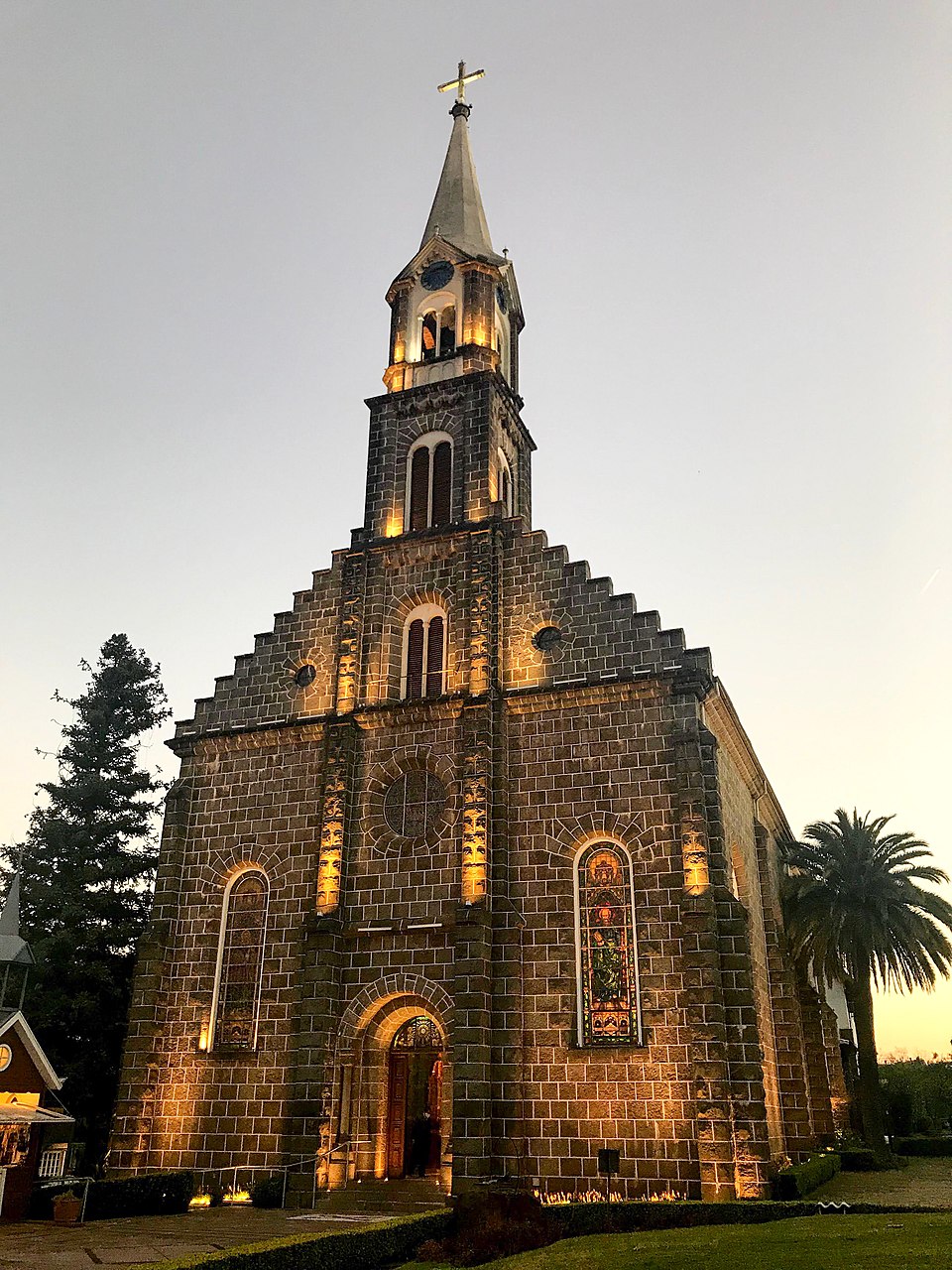
Located in one of Brazil’s most popular winter tourism destinations, the church is a central landmark in Gramado’s European-inspired urban landscape and cultural festivals.
- 10. Monastery of Saint Benedict — São Paulo (SP)
Founded in the 16th century, the monastery remains a religious and cultural reference in Brazil’s largest city. Its Gregorian chant masses and historic architecture attract visitors interested in spiritual tourism.
Tourism Trends and International Interest
Beyond traditional rankings, tourism data also shows how global interest in Brazil’s landmarks continues to grow. Studies using web-traffic analytics indicate that attractions such as Christ the Redeemer, Iguaçu Falls and Sugarloaf Mountain dominate online searches related to Brazil travel.
According to the Brazilian Ministry of Tourism, Rio de Janeiro remains one of the most visited destinations by domestic and international travelers. Argentinians and Americans are among the most frequent visitors to the city, reinforcing its role as Brazil’s main international tourism gateway.
FAQ – Frequently Asked Questions
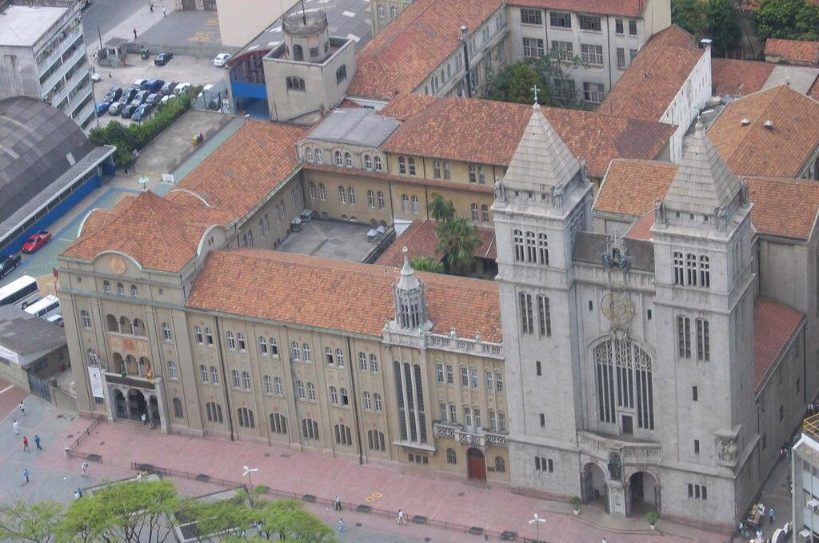
The Monastery of Saint Benedict is one of São Paulo’s oldest religious institutions and a major historical site
Why is Christ the Redeemer considered Brazil’s top attraction?
Because of its cultural symbolism, location above Rio de Janeiro and global recognition as one of the New Seven Wonders of the World.
How many people visit Christ the Redeemer each year?
Millions of tourists visit the monument annually, making it one of the most visited landmarks in Latin America.
When was the Christ the Redeemer statue built?
Construction took place between 1922 and 1931.
Where exactly is Christ the Redeemer located?
The statue stands atop Corcovado Mountain inside Tijuca National Park in Rio de Janeiro.
Which countries send the most tourists to Rio de Janeiro?
Argentina, the United States, Chile, Uruguay and France are among the main sources of international visitors.