The La Ve Lee Jazz Club, in Studio City, was a cornerstone of Brazilian music in Los Angeles from 1988 to 2010. Led by bassist Octavio Bailly, the venue became a cultural hub that introduced bossa nova and Brazilian jazz to new audiences and helped shape the city’s multicultural music scene.
By Katia Moraes
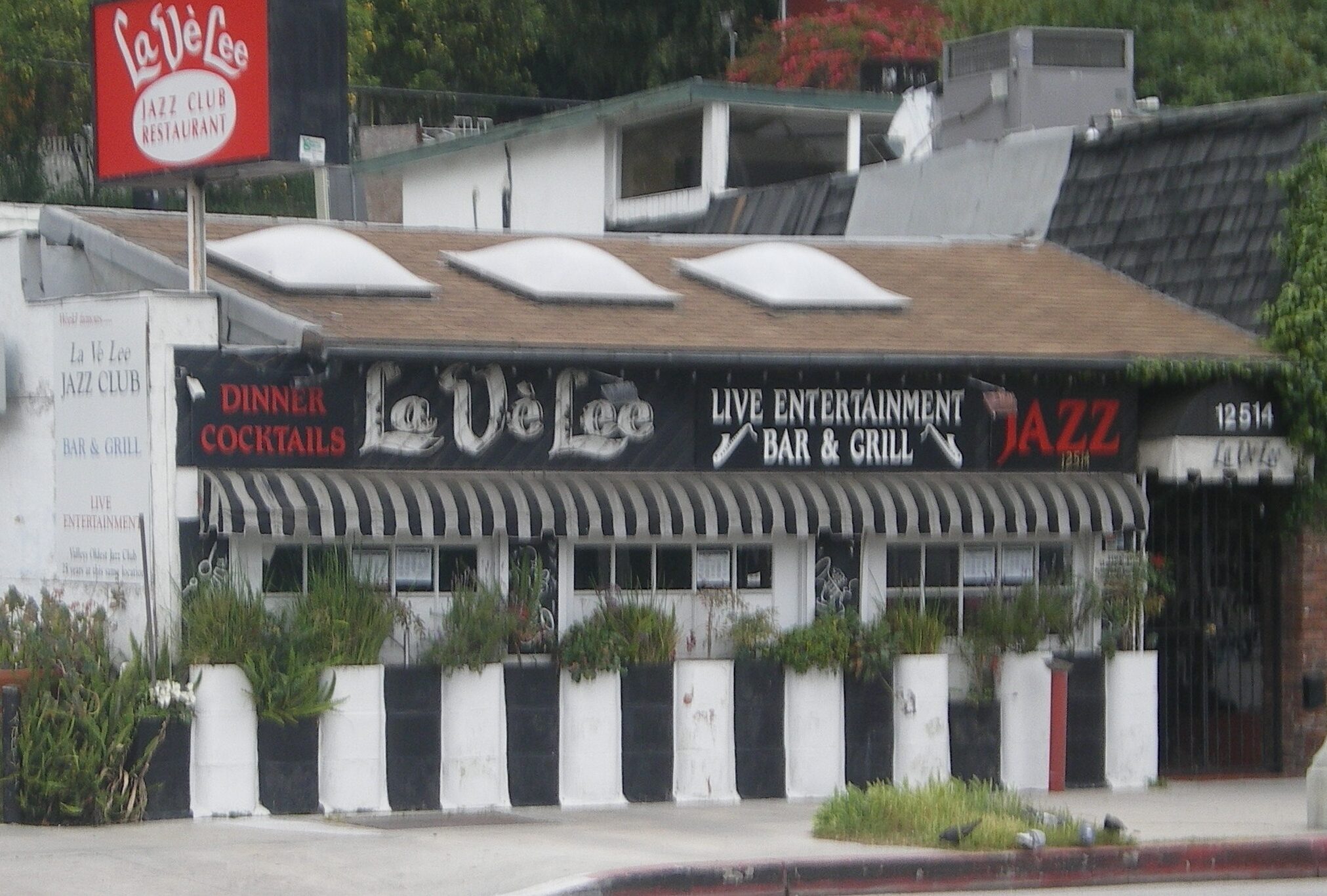
La Ve Lee Jazz Club in Studio City
If you just arrived in Los Angeles, it’s possible you’ve never heard of La Ve Lee or Octavio Bailly.
But musicians—and especially lovers of Brazilian music—owe him recognition. Thanks to Octavio, Brazilian music had a home in L.A. at the La Ve Lee Jazz Club from 1988 to 2010.
Octavio Bailly: The Man Behind the Movement
Octavio is known for his strong personality, sharp humor, and a storytelling style filled with unforgettable moments from the music industry. Meeting him, it’s hard to believe his age—his energy is timeless.
He once shared:
“I face life with positive eyes… reach for that inner force and use it with grace.”
His philosophy is reflected in his composition “The Child in You,” recorded by Frank Zottoli.
From Bossa Nova to Carnegie Hall
Octavio’s musical journey began early. The son of a pianist, he experimented with several instruments before settling on the bass.
In 1962, he performed with Bossa Rio at Carnegie Hall during the historic concert that introduced bossa nova to the United States.
Throughout his career, he collaborated with major artists, including:
- Lou Rawls
- Cannonball Adderley
- Al Jarreau
- Antonio Carlos Jobim
- Sergio Mendes
- Wanda Sá
From Burger Stand to Brazilian Jazz Hub
According to a Los Angeles Times article from 1988, La Ve Lee started as a simple burger stand before being transformed into a Middle Eastern restaurant by its owner, Eddie.
Everything changed when Octavio discovered the venue on Ventura Boulevard. Using a mailing list from the Brazilian Consulate, he convinced the owner they could build an audience for Brazilian music.
His group, Brazilian Jazz, quickly grew from performing two nights a week to five, turning the space into a thriving cultural hotspot.
Artists Who Defined the Stage

Carnegie Hall in 1962 from left to right: Octavio Bailly, Luis Carlos Vinhas, Dora Vasconcelos, Ronaldo Boscoli, Mario Dias Costa, Wilson Simonal, Marly Tavares and Chico Batera.
The original lineup included:
- Pianist Liz Kinnon
- Drummer Claudio Slon
- Singer Flavia de Melo
Soon, new talents elevated the venue’s reputation. Among them:
- Eliana Estevão, protégée of Dionne Warwick
- Sonia Santos
La Ve Lee became a stage where Brazilian talent flourished before reaching broader audiences.
A Cultural Crossroads in Hollywood
Over time, La Ve Lee expanded its musical offerings to include funk, Latin music, and rock, while maintaining its Brazilian roots.
The venue attracted not only music lovers but also Hollywood stars and industry scouts searching for new talent.
Artists who passed through the stage later collaborated with global icons like:
- Prince
- Pink
- Shakira
Musicians such as Christiaan Oyens, Kleber Jorge, and Renato Neto were among those who gained visibility there.
Personal Memories and Lasting Impact
La Ve Lee was also a residency spot for Katia Moraes and her band Sambaguru.
She recalls:
- The warmth of Karina, who booked the bands
- The welcoming atmosphere of the venue
- Simple gestures of kindness, like meals saved after performances
These details reveal what made La Ve Lee special: not just music, but community.
* Katia Moraes is a composer, singer, writer, and a long time Soul Brasil magazine contributor. She is a native from Rio de Janeiro and lives in Los Angeles since 1990. To know more about her visit: www.katiamoraes.com
FAQ – Frequently Asked Questions
1. What was La Ve Lee Jazz Club?
A music venue in Studio City, Los Angeles, that hosted Brazilian jazz and other genres from 1988 to 2010.
2. Who was Octavio Bailly?
A Brazilian bassist and promoter who played a key role in introducing Brazilian music to Los Angeles audiences.
3. Why was La Ve Lee important?
It served as a cultural hub for Brazilian music and helped launch the careers of many musicians.
4. Which artists performed there?
Artists like Eliana Estevão and Sonia Santos, along with musicians who later worked with global stars.
5. What made the venue unique?
Its intimate setting, multicultural programming, and strong connection to Brazilian musical traditions.