Sport fishing in Brazil offers one of the richest experiences in the world, thanks to its vast river systems, diverse ecosystems, and thousands of fish species. From the Amazon to the Northeast coast, anglers can enjoy both freshwater and deep-sea fishing, combining adventure, technique, and respect for nature.
By Lindenberg Junior | Translation: Gerald Chaves

The “Dourado” can be found on the São Francisco River in the Brazilian Northeast region
The fish jumps, swirls, and twists in the air in a desperate attempt to escape the hook. The fisherman uses his rod to tire the fish—but in the end, there will only be one winner.
This experience, whether in rivers or at sea, represents more than a sport. It is about nurturing the spirit, getting closer to nature, testing patience, and embracing the thrill of a challenge.
A successful fisherman significantly increases his chances of going home smiling if he understands the territory, the habits of the fish, and the climate nuances of the region.
Techniques: From Bait to Skill
It all begins when the bait is placed on a hook and cast into the water.
- Natural bait, such as worms, requires patience while waiting for a bite.
- Artificial lures demand skill, as the angler must move the rod in a way that mimics real prey.
As the saying goes:
“It combines the ancient emotion of hooking a fish with respect for its life.”
Angling in Brazil: A Global Paradise
Brazil boasts an impressive hydrographic network, with approximately 55,457 km of rivers and 7,367 km of coastline along the Atlantic Ocean.
With more than 4,000 fish species—some still unclassified—the country is a dream destination for both professional and amateur anglers worldwide.
Notable freshwater species include:
- Apapá
- Pacu
- Pintado
- Piranjuba
- Dourado
- Tucunaré (Peacock Bass)
The iconic Dourado fish can be found in the São Francisco River, especially in the Northeast region.
Tucunaré and the Amazon Advantage
The Tucunaré is considered a trophy fish worldwide.
Nearly half of its global catch potential comes from:
- Central Amazon (Brazil) – 52%
- Tocantins (Brazil) – 27%
- Peruvian Amazon – 8%
- Estuary regions – 6%
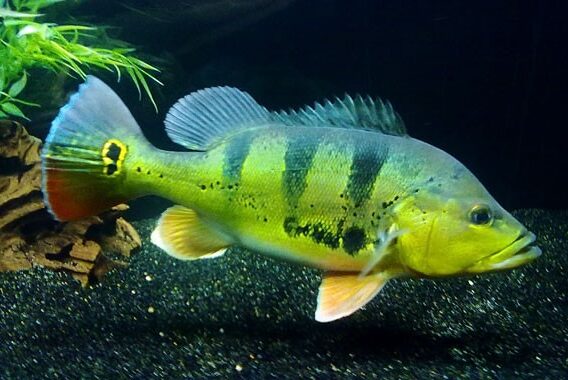
Nearly half of the potential catch of Tucunare in the world comes from the Central Amazon/Brazil
A significant portion of this catch originates from the Balbina Dam reservoir, near Manaus.
Big Game Fishing: Blue Marlin on the Coast
The Brazilian Northeast coast attracts anglers from across the globe for one reason: the Blue Marlin.
Among the five largest specimens ever recorded, several were caught in Brazil. This powerful fish can reach the size of a giraffe and weigh as much as a horse, making it one of the most sought-after catches in deep-sea fishing.
Pantanal Expeditions and Biodiversity
Fishing expeditions to the Pantanal, particularly in the state of Mato Grosso, are increasingly popular.
The region is known for:
- Abundance of fish species
- Unique indigenous names
- Exceptional flavor and biodiversity
Sport Fishing: A Sustainable Alternative
Sport fishing stands out as a more ecological approach. It blends the thrill of catching a fish with respect for its life.
- If the fish escapes, the angler loses.
- If it is caught, it is often released back into the water.
This practice ensures that nature prevails, helping reduce predatory fishing and promoting sustainability.
Essential Fishing Equipment
- Reel: Controls the fishing line. When a fish pulls strongly, it releases line to prevent breakage.
- Line Spool: Usually made of nylon, known for its durability and resistance. Should be replaced when worn.
- Hook: Available in different sizes and thicknesses depending on the target species.
- Rod: Must be flexible and strong, allowing the angler to control and tire the fish effectively.
* For airline tickets from the U.S to Brazil or Latin America, customized travel packages, hotels and cruises, please visit our travel agent page or contact Magali Da Silva by phone or whatsapp: 1 (323) 428-1963.
FAQ – Frequently Asked Questions
1. Why is Brazil a top destination for sport fishing?
Because of its vast rivers, coastline, and biodiversity with over 4,000 fish species.
2. What is the best region for freshwater fishing in Brazil?
The Amazon and Pantanal regions offer the richest freshwater fishing experiences.
3. What is the Tucunaré fish known for?
It is a strong, aggressive fish highly valued as a trophy in sport fishing.
4. Is sport fishing sustainable?
Yes. Catch-and-release practices help preserve fish populations and ecosystems.
5. What equipment is essential for beginners?
A rod, reel, line, and appropriate hooks are the basic starting gear.