Yoga and Pilates are mind-body practices that improve strength, flexibility, balance, and overall well-being, but they have different purposes. Yoga combines physical movement, breathing, meditation, and spiritual development, while Pilates focuses on core strength, posture, rehabilitation, and controlled movement.
By Sandra Domingos

Yoga and Pilates both connect the mind and body, but their origins, philosophies, and goals are fundamentally different.
The growing popularity of mind-body classes such as Pi-Yo and Yogalates has made it increasingly difficult for many people to understand the difference between yoga and Pilates. Although the two practices can be combined into hybrid workouts or used as complementary activities, they are not the same.
Both yoga and Pilates follow an integrated approach that connects the mind and body, promoting physical fitness and overall well-being. However, their origins, philosophies, techniques, and objectives are quite different. The best choice depends on what each person wants to achieve.
Yoga: A Practice of Body, Mind, and Spirit
Yoga is a spiritual practice with a strong physical component. It originated in India between 3,000 and 5,000 years ago and has developed into a worldwide practice focused on achieving balance between the mind, body, and spirit.
People who practice yoga, known as yogis, use breathing techniques (pranayama), physical postures (asanas), meditation (dhyana), and personal disciplines to pursue the complete integration of body, mind, and consciousness.
The ultimate goal of yoga is often described as Samadhi, a state associated with enlightenment, inner peace, bliss, or union with the divine.
Pilates: A Method Built Around Strength and Rehabilitation
Pilates emerged in the early 20th century and was introduced worldwide by its creator, Joseph Pilates.
Pilates developed his method as part of his personal journey to overcome physical weaknesses. During childhood, he experienced health challenges including rheumatic fever, asthma, and rickets. In his search for better health, he studied different forms of exercise from both Eastern and Western traditions, including Greek and Roman practices such as wrestling, gymnastics, calisthenics, as well as yoga.
His method became focused on improving strength, posture, flexibility, balance, and physical control through precise and intentional movements.
How Yoga and Pilates Differ
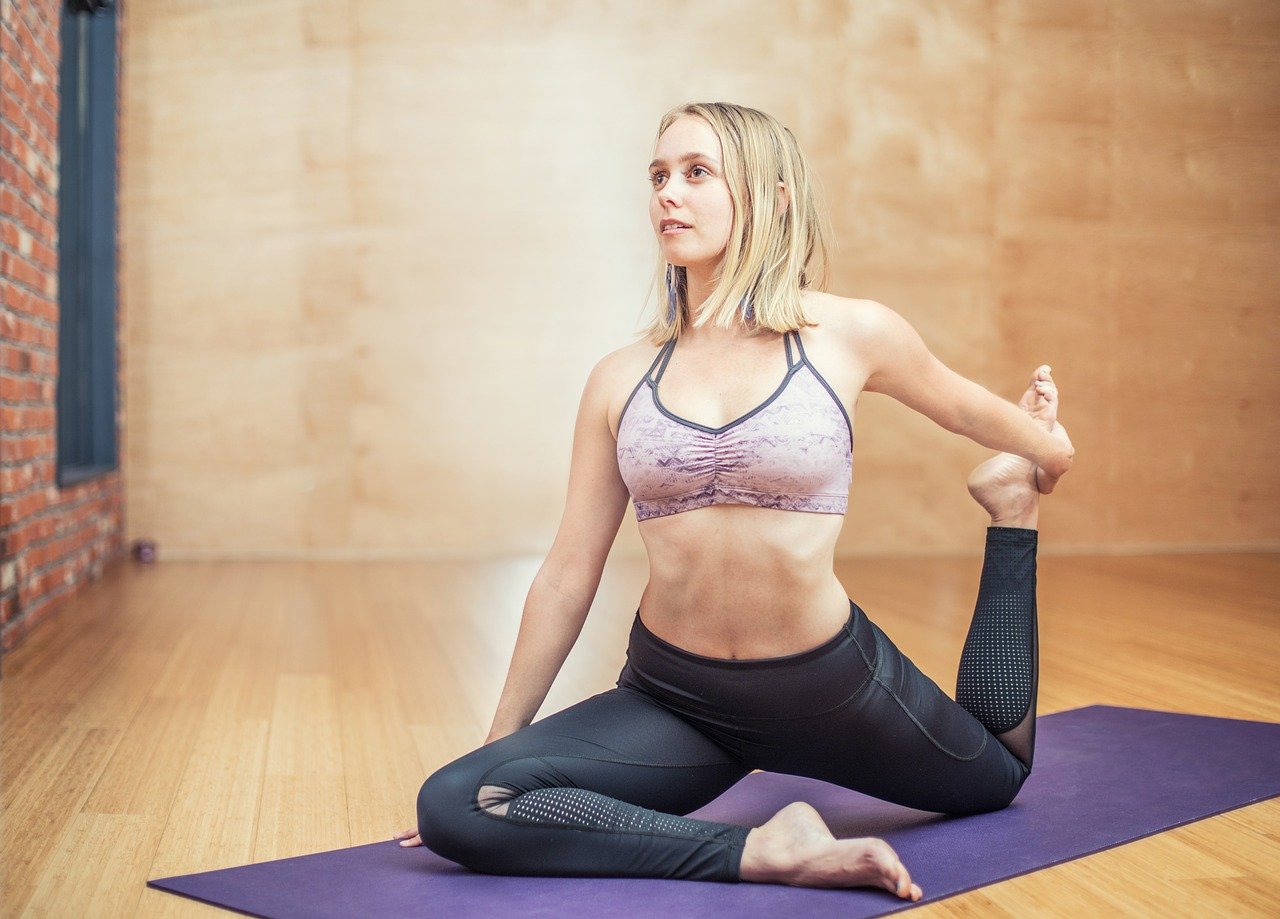
Yoga combines physical postures, breathing techniques, and meditation to create balance between body, mind, and spirit.
Yoga: Movement Combined With Mindfulness
Many Western practitioners are familiar mainly with yoga’s physical postures, known as asanas. However, physical poses represent only one part of a broader system that includes philosophy, meditation, breathing practices, and spiritual development.
Yoga postures are designed to strengthen the body while encouraging concentration and awareness. They work throughout the entire body, including muscles, joints, organs, glands, bones, and metabolism.
During yoga practice, breathing is deep and continuous, synchronized with each movement and posture. The connection between breath, movement, and awareness is one of the foundations of yoga.
As yoga became increasingly popular in Europe, the United States, and Canada, many different styles developed, including Ashtanga, Vinyasa, Anusara, Hot Yoga, Yoga Therapy, Restorative Yoga, Chair Yoga, and Bikram Yoga.
Each style offers a different approach, but all maintain the central idea of creating harmony between physical movement and mental awareness.
How Pilates Differs From Yoga
Although Pilates and yoga both promote a connection between the mind and body, Pilates does not include spiritual practices as part of its foundation.
The main objective of Pilates is improving physical health through strength, stability, posture, flexibility, and rehabilitation. The practice follows a more structured approach to movement, with every exercise beginning from the body’s core, also known as the powerhouse.
The powerhouse refers to the central area of the body, extending from the pelvic floor to the top of the shoulders. Pilates practitioners focus on stabilizing this area while allowing the arms and legs to move freely.
Pilates also incorporates specialized equipment designed to support the body and help muscles move through their full range of motion with controlled extension and contraction.
During Pilates exercises, breathing is coordinated with each movement. The focus is not on performing many repetitions, but on executing each movement with precision, control, and proper alignment.
The Mindfulness Element of Yoga
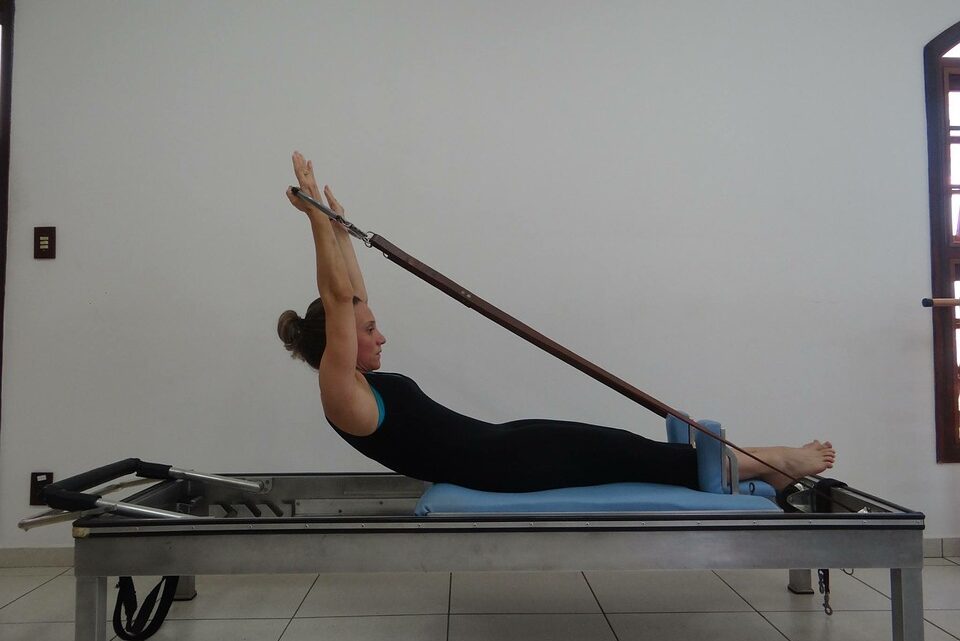
Pilates focuses on core strength, rehabilitation, posture, and precise movement control to improve physical health.
One of the main differences between yoga and Pilates is the role of mindfulness.
Yoga extends beyond physical exercise by incorporating awareness, meditation, and emotional balance. The mindfulness aspect of yoga can be viewed as a form of life training, helping practitioners develop greater control over thoughts, emotions, and reactions.
Scientific studies have associated mindfulness practices with several benefits, including reduced stress and anxiety, improved mood, better focus and memory, increased self-awareness, improved sleep, stronger social relationships, reduced chronic pain, lower blood pressure, and a better overall quality of life.
Through mindfulness, yoga encourages a sense of calm and balance that affects not only the body but also daily life.
Yoga or Pilates: Which One Should You Choose?
Yoga and Pilates provide many similar benefits, including a stronger and more balanced body, improved flexibility, increased endurance, and a greater sense of well-being.
However, their final goals are different.
Pilates focuses on strengthening and rehabilitating the body to achieve optimal physical health. The mind is used as a tool to improve movement, stability, and physical performance.
Yoga uses physical postures and breathing exercises to strengthen the body while also training the mind for meditation, awareness, and personal growth.
In simple terms, Pilates is more outwardly focused, emphasizing physical conditioning and movement control. Yoga is more inwardly focused, emphasizing physical health alongside mental and spiritual development.
The decision between yoga and Pilates ultimately depends on personal intention. If the goal is to create a strong and balanced body, Pilates can be an excellent choice. If the goal is to combine physical strength with mindfulness and emotional balance, yoga may be the better option.
For those who want the benefits of both approaches, practicing yoga and Pilates together can provide a complete mind-body experience.
*Sandra Domingos is a certified yoga teacher and life coach. She lives between Itararé, Bahia (Brazil) and Los Angeles, California, and when she is not in one of these two cities is because she is traveling around the world. Sandra has been to 4 continents and visited more than 50 countries.
Frequently Asked Questions About Yoga and Pilates
Is yoga better than Pilates for weight loss?
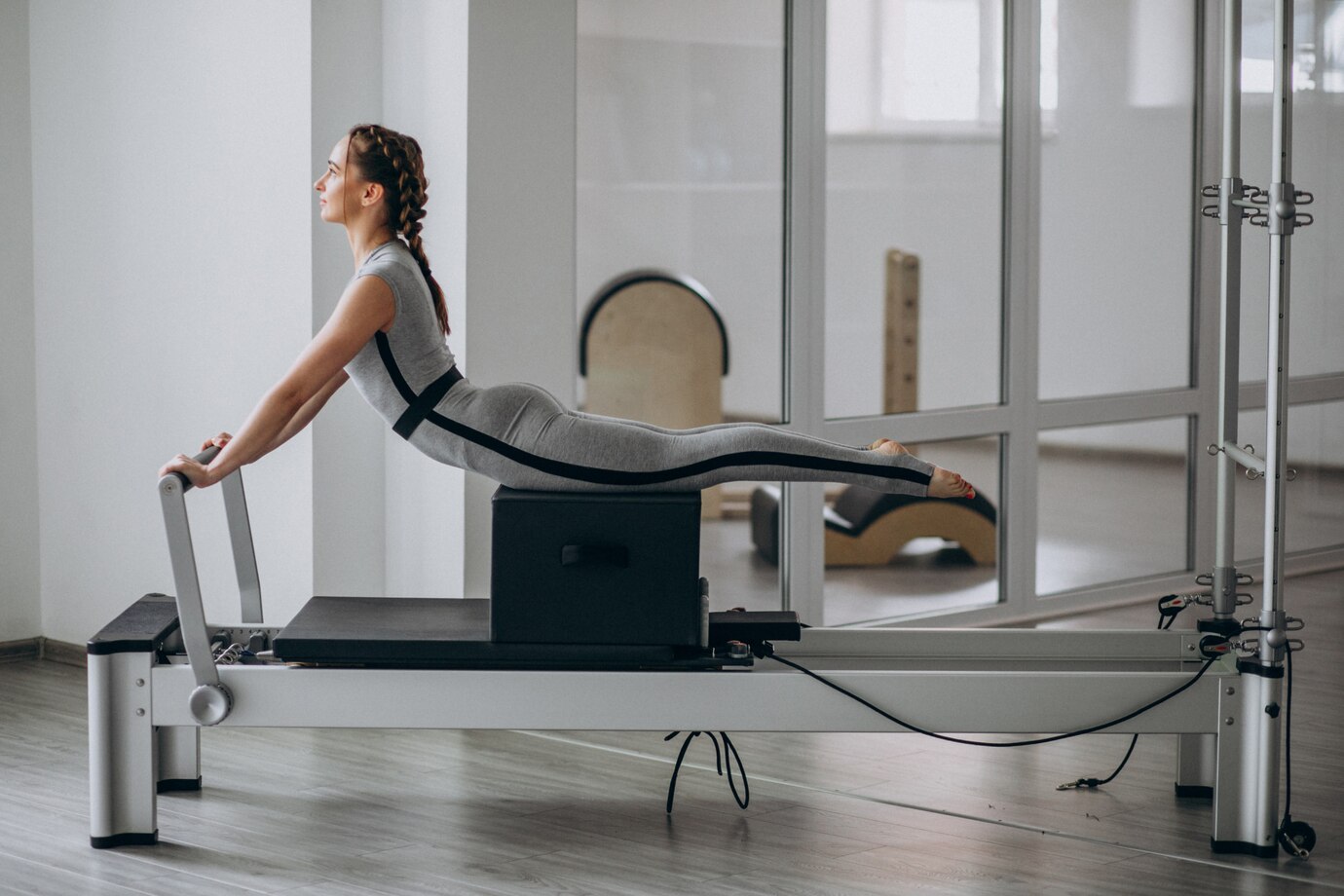
Pilates strengthens and conditions the body, while yoga develops both physical and mental balance
Both yoga and Pilates can support weight management by improving muscle tone, flexibility, and body awareness. More dynamic forms of yoga, such as Vinyasa or Hot Yoga, may provide a more intense cardiovascular challenge, while Pilates helps build lean muscle and improve body composition.
Which is easier for beginners: yoga or Pilates?
Both practices can be adapted for beginners. Yoga may be a better option for people looking for flexibility, relaxation, and stress reduction, while Pilates may appeal more to those interested in strengthening the core and improving posture.
Can someone practice both yoga and Pilates?
Yes. Many people combine both practices because they complement each other. Pilates can help develop strength and stability, while yoga improves flexibility, breathing control, and mindfulness.
Is Pilates better than yoga for improving posture?
Pilates is especially known for strengthening the core muscles that support posture and spinal stability. However, yoga can also improve body awareness, flexibility, and alignment.
Does yoga help with stress and mental health?
Yes. Yoga’s combination of breathing exercises, movement, and mindfulness may help reduce stress, improve relaxation, increase focus, and support emotional well-being.