By Eduardo Coltre Ferraciolli

Understanding Brazil requires accepting that progress and stagnation often happen simultaneously.
Brazil is often celebrated for its vibrant culture, breathtaking landscapes, and global cultural exports – from soccer to music to Carnival. But behind these well-known symbols lies a country shaped by profound contradictions. Brazil is part of the Western world, yet not fully Western. It is wealthy and industrialized, yet also deeply unequal. It offers universal healthcare and education, while simultaneously struggling with poverty, illiteracy, and social fragmentation.
Understanding Brazil means understanding modernity lived under tension, where progress and stagnation coexist side by side. And in many ways, Brazil’s story is not just national – it is a preview of the world’s future in an era defined by inequality, globalization, and shifting power.
A Nation Built on Paradoxes
Brazil is the world’s 8th-largest economy, but also one of its most unequal. It has world-class industries, yet depends heavily on primary exports. It is home to the largest Catholic population, and the largest LGBTQ+ parade. It is a tropical paradise with a desert the size of France. Its history is marked by innovation, creativity, and resilience – but also by exploitation.
More than 40% of all enslaved Africans brought to the Americas were sent to Brazil. Imagine a Louisiana scaled up to the size of China – that is the magnitude of this historical reality.
These contradictions shaped some of Brazil’s most important thinkers – Gilberto Freyre, Florestan Fernandes, Caio Prado Jr. – and influenced everything from liberation theology to groundbreaking studies on development at CEPAL, the United Nations Economic Commission for Latin America and the Caribbean.
Brazil was always caught “between worlds”: on the margins of a growing global system yet deeply shaped by European influence. This tension produced both intense creativity and deep structural vulnerability.
The Promise and Tragedy of Modernization
Brazil could have become a model for democratic development in the Global South. But political power remained entrenched, conservative, and often influenced by external interests. Instead of embracing its contradictions to forge an original path, Brazil often attempted to imitate Europe or the United States – usually without the social foundations needed to make those models succeed.
The military dictatorship (1964–1985) further interrupted Brazil’s cultural and intellectual evolution. Periods of rapid economic growth were followed by collapse, inequality persisted for centuries, and attempts to address structural challenges were frequently abandoned.
Music: Brazil’s Most Beautiful Answer to Ambiguity
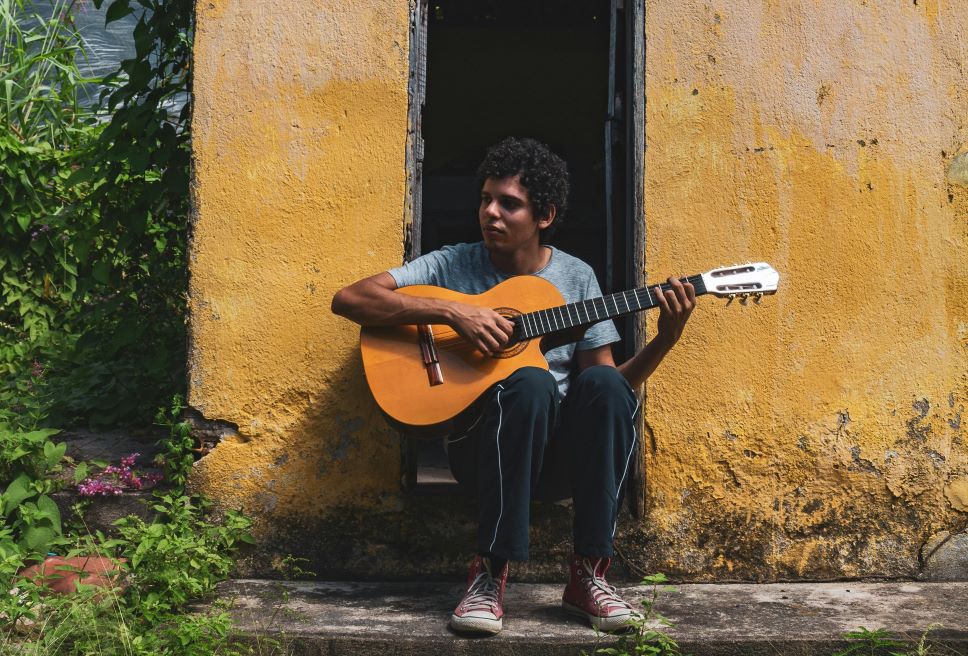
Bossa Nova and Choro turn melancholy into beauty, expressing resilience and creativity.
If you want to understand Brazil’s soul, listen to its music. Drawing on Portuguese Fado, African rhythms, the poetry of Fernando Pessoa, and the lived experiences of migrants, workers, and Afro-Brazilian communities, Brazil in the 1950s and 1960s produced some of humanity’s most extraordinary musical expressions.
Bossa Nova and Choro transformed sadness into beauty – into a soft, shimmering affirmation of life, even when everything else seemed to fall apart. It is joy born out of melancholy. A national art form shaped by loss, resilience, and creativity.
This emotional and philosophical ambiguity – embracing truth even when it cannot be fully found – echoes through great Brazilian writers from Machado de Assis to João Guimarães Rosa. It is a culture that resists easy answers, values complexity, and finds meaning in contradiction.
A Generation Caught Between Globalization and Inequality
For Brazilians born in the 1980s and 1990s, globalization changed everything. The promise of development was never fully realized, and the pressures of the international economy forced difficult choices.
Brazil traded part of its social stability for a place in the global market. Happiness became a social expectation – yet inequality grew deeper. Distrust increased. Violence took new forms. And many Brazilians today struggle between hope and frustration, trapped between a memory of potential and a reality of unmet promises.
What Brazil Teaches the World
Brazil continues to oscillate between brilliance and crisis. Football, biodiversity, and diplomacy remain national pillars, but they often mask a deeper struggle around identity, inequality, and purpose.
Still, Brazil offers the world something essential:
A real-time demonstration of how modern societies handle contradiction, diversity, inequality, and transformation.
In a world becoming increasingly interconnected—and increasingly unequal—Brazil is an invaluable reference for what to emulate and what to avoid. It is a nation of betrayed promises, but also of extraordinary creativity. A country searching for a truth that remains just out of reach.
And perhaps for that reason, Brazil is an essential mirror for the world’s future.
* Eduardo Coltre Ferraciolli is a Brazilian writer and cultural critic whose work explores Brazilian history, identity, and global modernity.
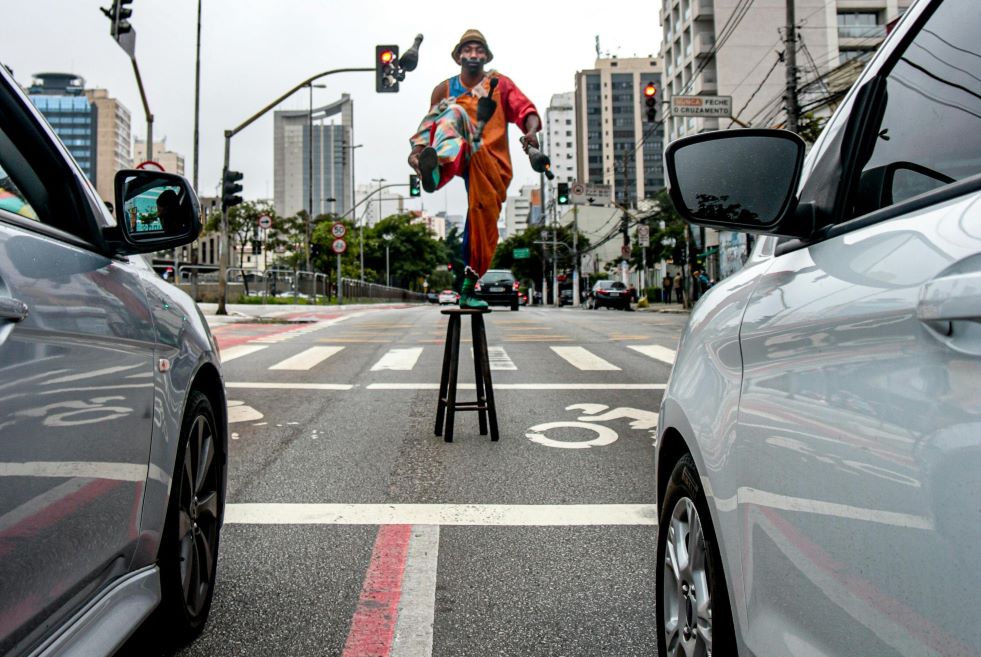
Brazil shows how modern societies navigate diversity and inequality.
FAQ – Frequently Asked Questions
Why is Brazil known as a country of contradictions?
Because it combines wealth and poverty, progress and stagnation, advanced industries and deep inequality—all existing simultaneously.
What makes Brazilian culture unique?
Brazilian culture blends Indigenous, African, and European influences, producing globally recognized music, art, religion, and social practices.
How did slavery shape Brazil’s development?
Brazil received more enslaved Africans than any other country, deeply influencing its demographics, culture, and social inequalities.
Why is Brazilian music so emotionally powerful?
Genres like Bossa Nova and Choro express sadness transformed into beauty, reflecting Brazil’s history of resilience amid hardship.
What can the world learn from Brazil today?
Brazil offers important lessons about modernization, inequality, diversity, and the challenges of building equitable societies in a globalized world.