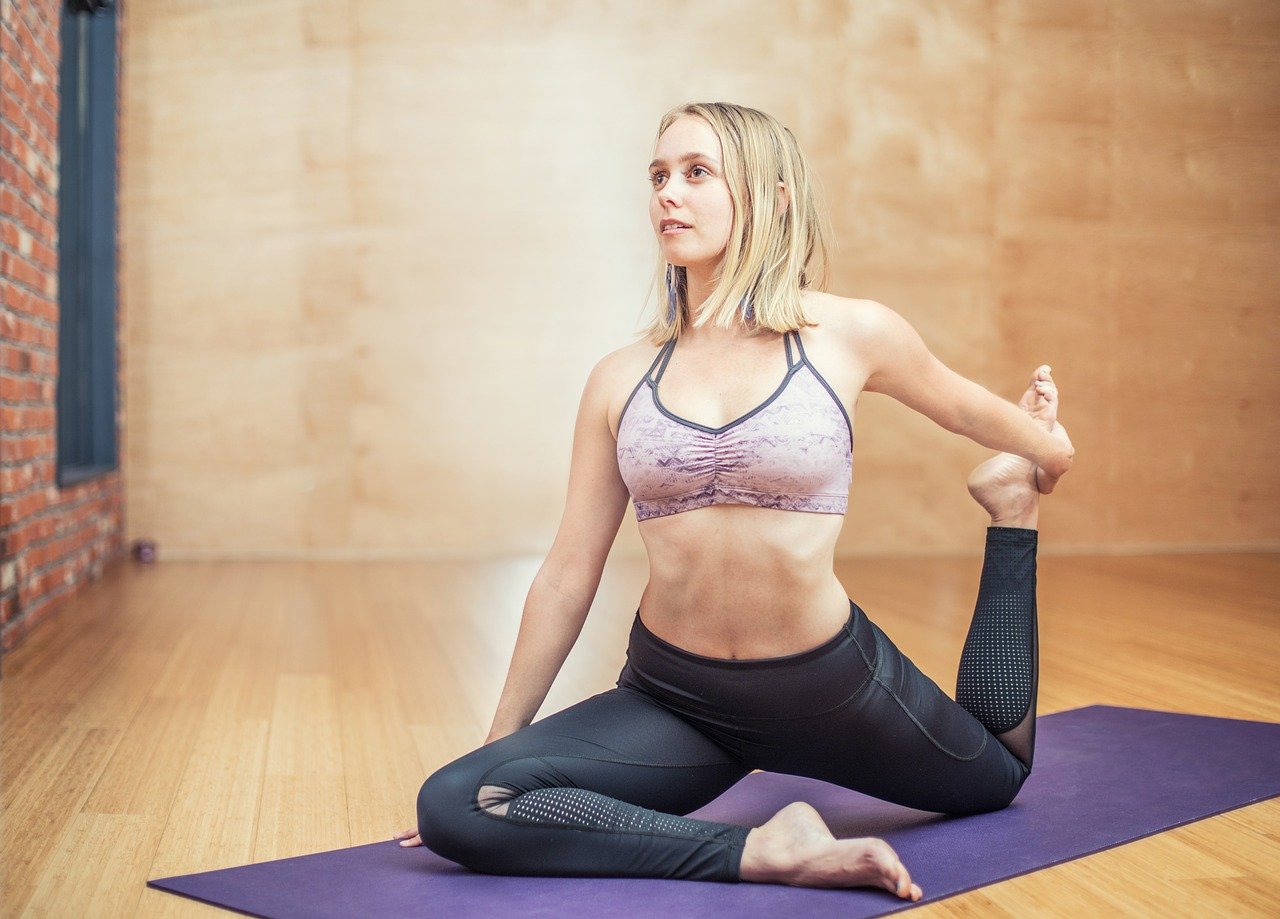
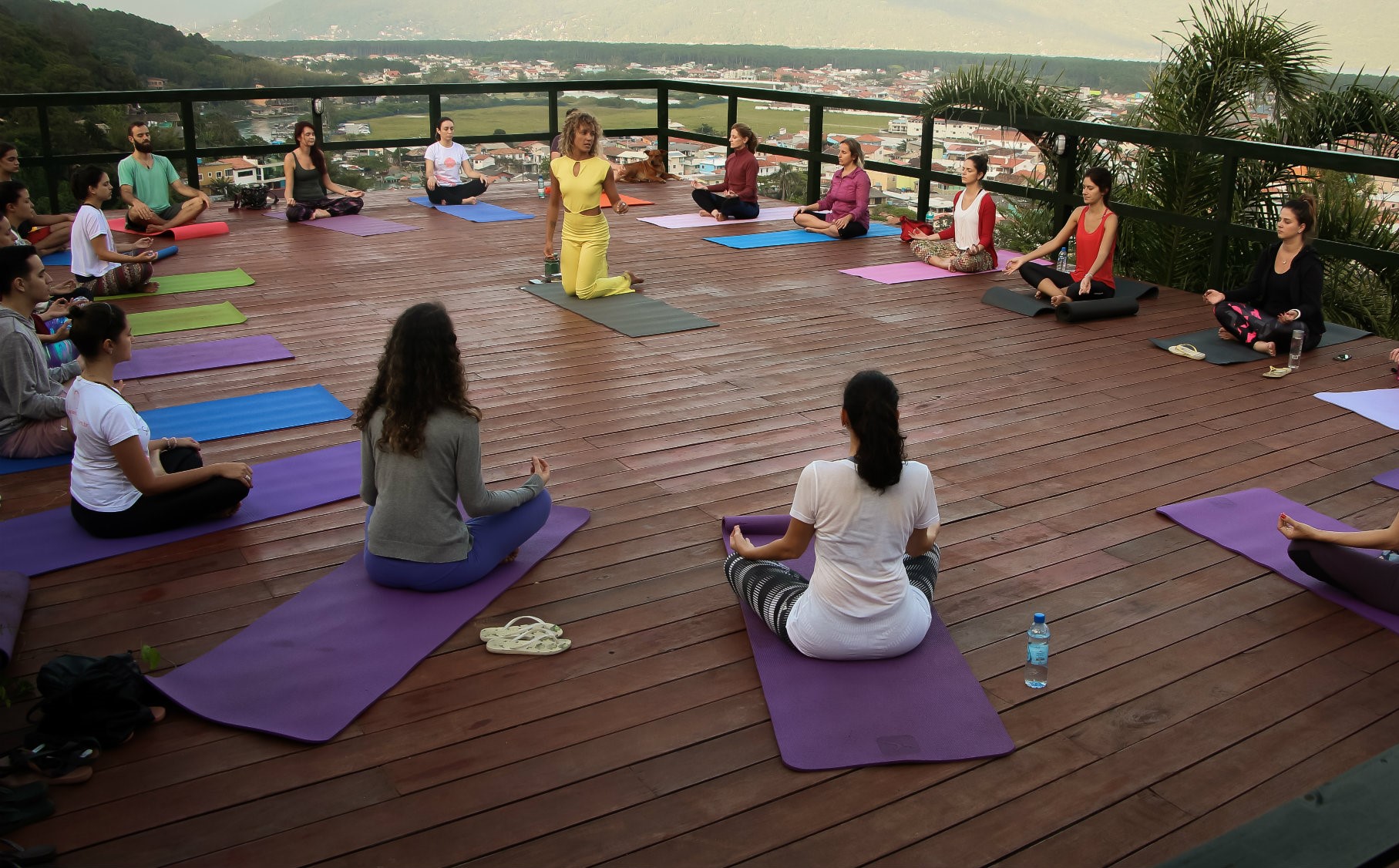
Yoga is more than physical postures and breathing exercises. Its traditional eight-fold path combines ethical principles, self-discipline, meditation and spiritual practices as a journey toward greater balance and self-realization.
By Christine and Venkat Machiraju

Yoga its traditional eight-fold path also includes ethics, self-discipline, breathing, concentration and meditation.
For people exploring yoga as a way to reduce stress, improve balance and deepen their spiritual practice, understanding its traditional roots can offer a broader perspective beyond the physical exercises commonly associated with yoga in the West.
Yoga is becoming increasingly popular as people search for a way to reduce stress and find balance. My husband and I have been studying Yoga from the time we were teenagers and have found that this beautiful science really helps to improve life and quicken spiritual growth.
When we began to teach yoga in Canada, we were often asked what kind of yoga we taught. In India, where yoga originated, there really is only one type of yoga: the eight-fold path to union, or Ashtanga Yoga.
This eight-fold path consists of not only the Hatha pretzel position and Pranayama breathing, but also grooming, personal and social moral codes, concentration, focus, meditation and final union with the source.
What Are the Eight Limbs of Yoga?
The traditional eight-fold path of yoga is known as Ashtanga Yoga. It encompasses physical practices, breathing techniques, ethical principles, concentration, meditation and self-realization.
The eight limbs are:
- Yama – social discipline
- Niyama – self-discipline
- Asana – physical postures
- Pranayama – breath control
- Pratyahara – discipline of the senses
- Dharana – concentration
- Dhyana – meditation
- Samadhi – self-realization
1. Yama: Social Discipline
Yama means restraint and is comprised of five main values.
Non-violence: cause no physical or mental harm to any living creature. Do not harbor violent thoughts or speak cruel words.
Non-stealing: this includes carrying out one’s responsibilities and contributing to society.
Truthfulness: truthfulness to self and others. Often when we lie to others we are really lying to ourselves – we do not want to face that which is negative within ourselves. This does not allow for self-improvement.
Celibacy: moderation in sex. This does not mean lifelong celibacy, but moderation between married couples or partners.
Lack of desire: control over material desires and sensual pleasures.
2. Niyama: Self-Discipline
These are five physical and mental qualities one should possess.
Cleanliness: internal and external purification of body and mind.
Contentment: ability to live with a calm mind in any situation.
Austerity or penance: purity of thought, speech and action.
Self-study: looking inward to correct any flaws or appreciate personal growth.
Surrender: surrender of all actions to the higher power and being open and ready to learn from all life experiences.
3. Asana: Physical Postures
Asana involves holding the body in a position to purify and heal the body and bring poise to the mind.
Asana really helps to start clearing through toxins on all three layers of the self and helps to clear away even the negative emotions that cloud perception.
4. Pranayama: Breath Control
Breath control is practiced as a purification for the mind and a way to balance vital energy in the body.
When one is able to control the breath, one can calm his or her mind and be relieved of stress and tension.
5. Pratyahara: Discipline of the Senses
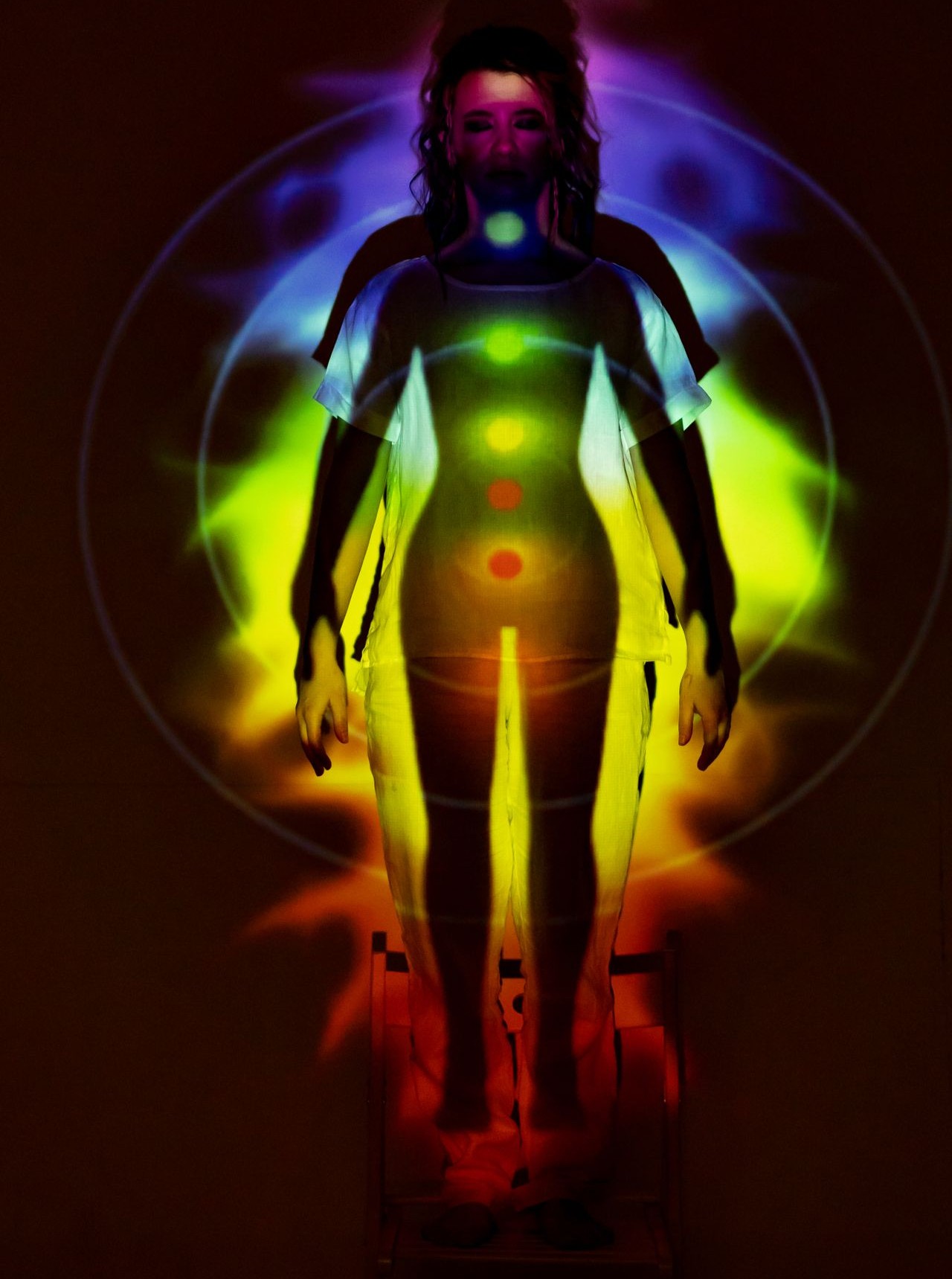
Yoga practice helps open and balance the chakras, which are energy centers in the body, by using breath, movement, and focus to let life force flow freely.
Pratyahara involves disconnecting the sense organs from desire.
It means looking inward to the soul and enjoying the connectedness of everything in creation rather than desiring external or material things to gain pleasure.
6. Dharana: Concentration
Dharana means focusing the mind on one object in order to gain complete concentration.
7. Dhyana: Meditation
When one is able to concentrate without noting time and space, it becomes meditation.
Dhyana represents a deeper stage of mental focus in the traditional eight-fold path of yoga.
8. Samadhi: Self-Realization
Samadhi is the final stage of yoga.
Also known as Nirvana or Moksha, it is the stage when the self and all outside objects become one. At this moment of Samadhi there will be no pleasure or pain, only complete union.
The Eight Limbs as a Path to a More Balanced Life
Once the first five angas are incorporated into life, there will be a great leap in the quality of one’s life and happiness as well as physical and mental health.
The last three angas are called samyama, or uniting disciplines. Once these are improved upon, one will not be so affected by outside surroundings and will not be so easily upset or swayed by external objects.
We should try to live all eight angas in unison rather than just trying to strengthen the body through Asana.
Yoga Beyond Physical Exercise
Since we are more aware of our bodies, we usually start with the physical exercises of Yoga and gradually move inward with concentration and meditation techniques toward the deeper layers of the self.
The body is only the outer layer of the self, however. The remaining two layers are the energy, or light layer, and thought consciousness layer.
Yoga helps to clean all three of these layers of the self. Yoga helps to tone and strengthen the physical body, which consists of muscles, organs and flesh.
Chakras and meridians, or nadis, are housed in the second layer, the astral body. The practice of yoga helps to slowly remove layers of cloudiness from the nadis to create a clear path for energy to flow into the chakras.
The causal body is like our hard drive: it holds all of our samskaras or memories of our past actions from previous lifetimes. Doing meditation and concentration techniques helps one to slowly begin to remove all of the blocks and sorrows that have been stored on this layer of thought.
Yoga, Self-Awareness and Inner Transformation
The practice of yoga helps to bring us into the deeper layers of the self so that life becomes less physical – we are less bothered by the things that go on around us and can find peace in all situations.
When we start to be aware in the deeper layers of the self, we do not feel separate from other people, and feelings of hate and anger start to fade away.
Life is on an energy level rather than a physical level. Through the practice of yoga we strive to clear away all the heavy physical energies and move on to higher realms in our next life. There are astral and causal planes just as there are physical planes like the earth.
Yoga truly is a mind, body and spirit discipline. As a practitioner advances, he or she will become aware of the transformation that is occurring on the three layers of the self.
What Are the Different Types of Yoga?
As yoga has gained in popularity, various styles and types of yoga have emerged – Iyengar, Viniyoga, Power Yoga, etc. The list is almost endless.
Most of these types are named by their founders and mainly vary in how they practice physical positions. But traditionally only five types were given:
Karma Yoga: doing good for the sake of good, not for personal gain.
Raja Yoga: the path of meditation.
Mantra Yoga: involves the chanting of sounds which vibrate in the physical and astral worlds. The basis of this is the fact that the whole universe is held together and was created by vibrations and sound.
Laya Yoga: concentration on astral sounds which can be heard by the inner ear rather than chanting to imitate astral sounds with the physical body.
Hatha Yoga: postures to balance opposite energies like male and female, yin yang and to tone the body to ready it for meditation.
Yoga and the Path to Enlightenment
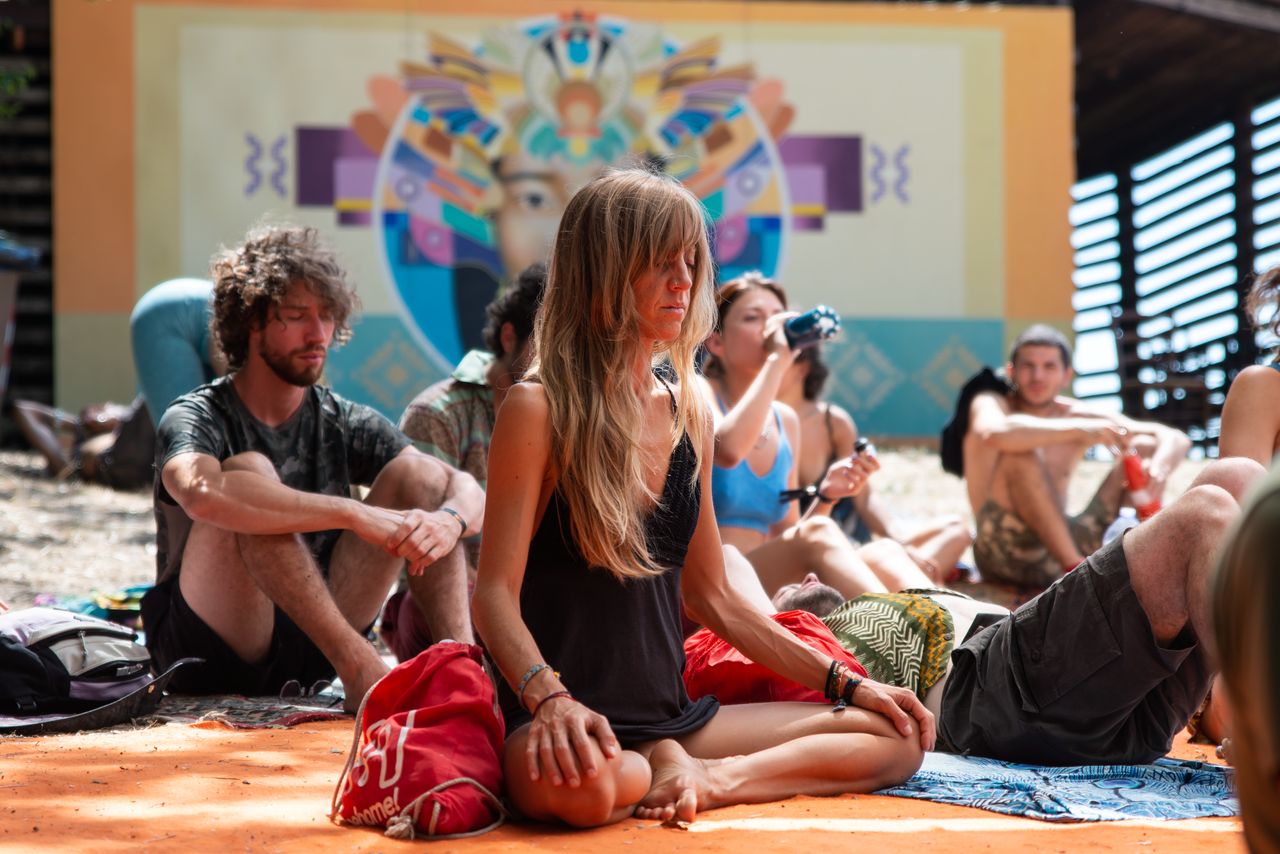
Meditation and yoga work together closely, as yoga uses physical poses to prepare the body and calm the mind for a deeper meditation practices
The five main types of yoga differ not in how they perform physical postures, but in their approach to enlightenment.
While modern yoga is often associated primarily with physical exercise, the traditional approach described here presents yoga as a broader discipline involving the body, breath, mind, ethics, concentration and meditation.
For practitioners, the journey begins with the body but can gradually move inward toward self-awareness, meditation and spiritual growth.
*Venkat & Christine have both studied Yoga for many years and have received certification in India. They have returned to Canada where they now run an institute for self-growth and unity called Journey to the Soul.
Frequently Asked Questions – FAQ
What is the traditional eight-fold path of yoga?
The traditional eight-fold path, or Ashtanga Yoga, consists of Yama, Niyama, Asana, Pranayama, Pratyahara, Dharana, Dhyana and Samadhi. Together, these practices address ethical conduct, self-discipline, physical postures, breathing, sensory control, concentration, meditation and self-realization.
What are the eight limbs of yoga?
The eight limbs are Yama, Niyama, Asana, Pranayama, Pratyahara, Dharana, Dhyana and Samadhi. They form a traditional framework that goes beyond physical yoga postures.
Is yoga only about physical exercise?
No. Although modern yoga often emphasizes physical postures, the traditional approach includes ethical principles, breathing exercises, concentration, meditation and spiritual development.
What are the five traditional types of yoga?
The five types traditionally described in this article are Karma Yoga, Raja Yoga, Mantra Yoga, Laya Yoga and Hatha Yoga. They differ primarily in their approaches to spiritual practice and enlightenment.
What is the goal of yoga according to this tradition?
According to this tradition, yoga ultimately aims toward self-realization and union, represented by Samadhi. The practice is described as a journey from greater awareness of the physical body toward deeper mental and spiritual awareness.