Identity theft has become one of the fastest-growing financial crimes in the United States. As more personal information is stored digitally, protecting your identity is more important than ever. Understanding how identity theft happens—and knowing the right preventive measures—can help safeguard your finances, credit history, and personal information.
By Lindenberg Junior | English Edition: Ann Fain

Identity theft is one of the fastest-growing financial crimes in the digital age, making personal data protection more important than ever
In today’s digital world, personal and financial information is more accessible than ever before. While technology has made banking, shopping, and communication easier, it has also increased the risk of privacy violations and identity theft.
Information about individuals is routinely stored across multiple databases, often without their direct knowledge. Criminals exploit these systems to steal personal information, open fraudulent accounts, commit financial crimes, and even assume another person’s identity.
For identity thieves, the crime carries relatively low risk but potentially significant financial rewards.
Personal Information That May Be Publicly Available
Many people are surprised to learn how much personal information can be legally accessed through public records or other databases. Depending on applicable laws and jurisdictions, someone may be able to obtain information such as:
- Criminal convictions from court records.
- Current and previous addresses.
- Bankruptcy filings or property liens.
- Outstanding arrest warrants.
- Professional licenses.
- Driving history, including certain traffic violations.
- Vehicle, boat, or aircraft ownership records.
- Real estate ownership and property tax records.
While much of this information is publicly available for legitimate purposes, it can also be exploited by criminals seeking to commit identity fraud.
The Real Cost of Identity Theft
Millions of people in the United States become victims of identity theft every year.
Beyond financial losses, victims often spend days—or even weeks—repairing damaged credit, disputing fraudulent accounts, filing police reports, contacting financial institutions, and replacing important documents.
In some cases, criminals may even commit crimes using another person’s identity, creating legal complications that can take significant time and effort to resolve.
Attorney’s Tips to Help Prevent Identity Theft
Protect Your Checks
When ordering checks, consider printing only your first initial and last name instead of your full first name. This makes it more difficult for someone who steals your checkbook to imitate your signature.
Avoid printing your Social Security number on checks, and whenever possible, use a work address, P.O. Box, or business phone number instead of personal contact information.
Secure Your Credit Cards
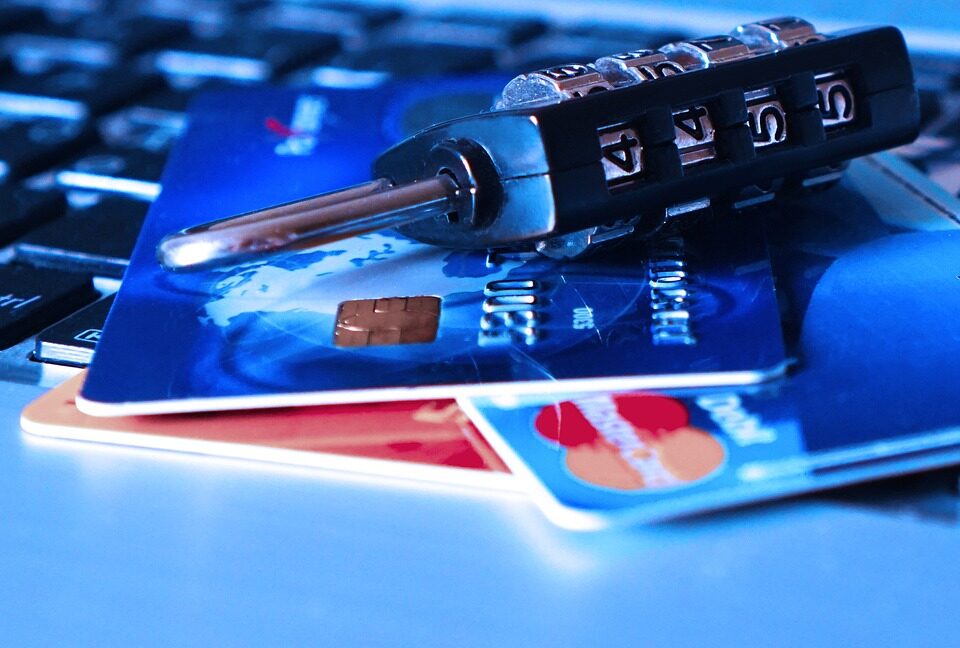
Monitoring your credit regularly is one of the most effective ways to detect fraud before it causes significant damage
Rather than signing the back of your credit card, some experts recommend writing “Photo ID Required” as an additional security measure where permitted.
When paying credit card bills by check, avoid writing the complete account number. Listing only the last four digits reduces unnecessary exposure of sensitive financial information.
Keep Copies of Important Documents
Photocopy or securely scan both sides of your driver’s license, credit cards, passport, and other important identification documents.
Store these copies in a secure location so you have quick access to account numbers and customer service phone numbers if your wallet is ever lost or stolen.
When traveling, carrying a photocopy of your passport separately from the original can also be helpful.
Protect Your Digital Information
Cybersecurity is equally important in preventing identity theft.
Some basic precautions include:
- Keep antivirus software updated.
- Use an active firewall.
- Install reputable anti-spyware software.
- Protect laptops and mobile devices with strong passwords.
- Use a separate email address for online promotions, sweepstakes, and marketing registrations.
- Never respond to unsolicited emails requesting account verification or personal information.
Financial institutions generally do not ask customers to verify sensitive information through unsolicited email messages.
Hotel Key Cards and Travel Safety
Many hotel key cards contain electronically stored information linked to your stay.
Rather than returning the card upon checkout, some security professionals recommend destroying it after your trip to reduce the possibility of unauthorized access to stored information.
Monitor Your Credit Regularly
One of the best ways to detect identity theft early is by reviewing your credit reports regularly.
Check for:
- Unknown accounts.
- Incorrect personal information.
- Unauthorized credit inquiries.
- Unexpected changes to existing accounts.
Federal law allows consumers to obtain free credit reports from the three nationwide credit reporting agencies each year.
What to Do If Your Identity Is Stolen
If you believe your identity has been compromised, acting quickly can significantly reduce the damage.
Immediate steps include:
- Contact your banks and credit card companies to cancel compromised cards and freeze affected accounts.
- File a police report in the jurisdiction where the theft occurred.
- Place a fraud alert or security freeze with the major credit reporting agencies.
- Report the identity theft to the Federal Trade Commission (FTC).
- Monitor your financial accounts and credit reports closely for suspicious activity.
Prompt action can help prevent additional fraudulent transactions and support the recovery process.
Do You Need Identity Theft Insurance?
Some banks, insurance companies, and financial institutions offer identity theft protection services or insurance plans.
These services may include:
- Credit monitoring.
- Fraud alerts.
- Identity restoration assistance.
- Reimbursement of certain eligible expenses related to identity theft.
While many financially organized consumers may choose to monitor their own accounts, identity theft protection services can provide additional peace of mind for individuals who prefer continuous monitoring.
The decision ultimately depends on each person’s financial habits, risk tolerance, and level of desired protection.
* We would like to remind you that on our other website focused on marketing, business and entrepreneurship we have a blog focused on educating professionals and small business owners about trends, marketing, social media and web development, as well as services at competitive prices that can contribute to generating more business – www.kisuccess.com
Frequently Asked Questions (FAQ)

Quick action after discovering identity theft can help minimize financial losses and speed up recovery
1. What is identity theft?
Identity theft occurs when someone illegally uses another person’s personal information to commit fraud, open financial accounts, make purchases, or engage in other criminal activities.
2. What are the warning signs of identity theft?
Common warning signs include unfamiliar charges, unauthorized accounts, unexpected credit inquiries, missing bills, collection notices, or being denied credit unexpectedly.
3. How can I protect myself from identity theft?
Use strong passwords, monitor your credit reports regularly, avoid sharing sensitive information unnecessarily, keep your devices secure, and remain cautious of phishing emails and scams.
4. Is identity theft insurance necessary?
Not everyone needs it. Individuals who closely monitor their financial accounts may find it unnecessary, while others may value the additional monitoring and recovery assistance these services provide.
5. What should I do immediately after discovering identity theft?
Contact your financial institutions, freeze affected accounts, report the incident to law enforcement and the FTC, place fraud alerts with credit bureaus, and carefully monitor your credit reports.