The Sister City relationship between Los Angeles and Salvador, Bahia, established in 1992, promotes cultural exchange, economic collaboration, and citizen diplomacy. Through community engagement, events, and shared cultural appreciation, the initiative strengthens ties between Brazil and the United States while celebrating Salvador’s African heritage and global influence.
By Tricia Alkmia Cochée
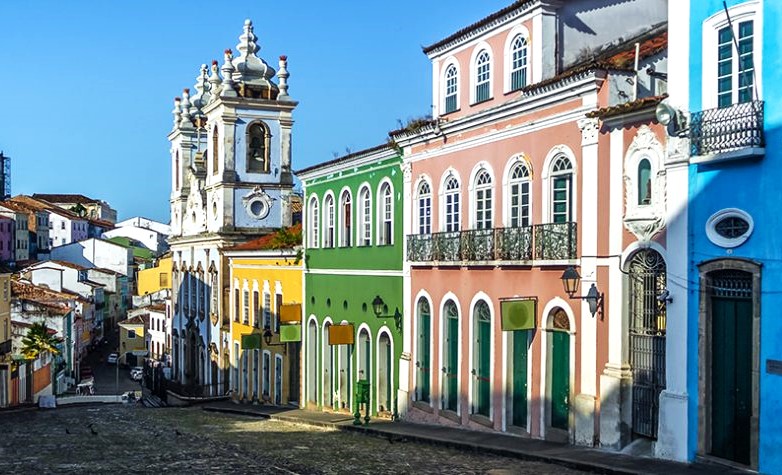
Salvador is the capital of the Brazilian state of Bahia.
Bars, restaurants, and nightclubs from Santa Barbara to San Diego are generally packed with Southern Californians captivated by soccer and the good vibes brought by the World Cup. Many have celebrated—and even been moved to emotion—alongside Brazilian fans.
What many Southern Californians might not know is that California’s oldest sister-city committee is right here in Los Angeles, a city that is a sister city to Salvador, Bahia.
The Los Angeles–Salvador Sister City Relationship
The Los Angeles and Salvador, Brazil, Sister City relationship was established in 1992. The official committee operates under Sister Cities of Los Angeles, Inc., which manages citizen diplomacy programs to boost cultural and economic exchange between both cities.
Salvador is the third-largest city on the northeast coast of Brazil and the capital of the northeastern Brazilian state of Bahia. The Los Angeles–Salvador Sister City initiative is part of a broader network of over 20 sister cities and 3 friendship cities across six continents.
This global structure is part of Sister Cities International, created during President Eisenhower’s 1956 White House conference on citizen diplomacy.
Mission of Citizen Diplomacy
The mission of each sister city program is to promote peace through mutual respect, understanding, and cooperation—one individual, one community at a time.
This people-to-people interaction focuses on:
- Building international friendships and collaborations
- Promoting tourism and business exchange
- Solving shared community challenges
- Transferring ideas, knowledge, and resources
The Los Angeles–Salvador Sister City program is guided by this same mission of cultural diplomacy and global engagement. The Chairman of Sister Cities of Los Angeles is Councilmember Tom LaBonge, 4th District, City of Los Angeles.
Brazil in Global Culture and Media
Brazil has long captured the imagination of filmmakers and artists.
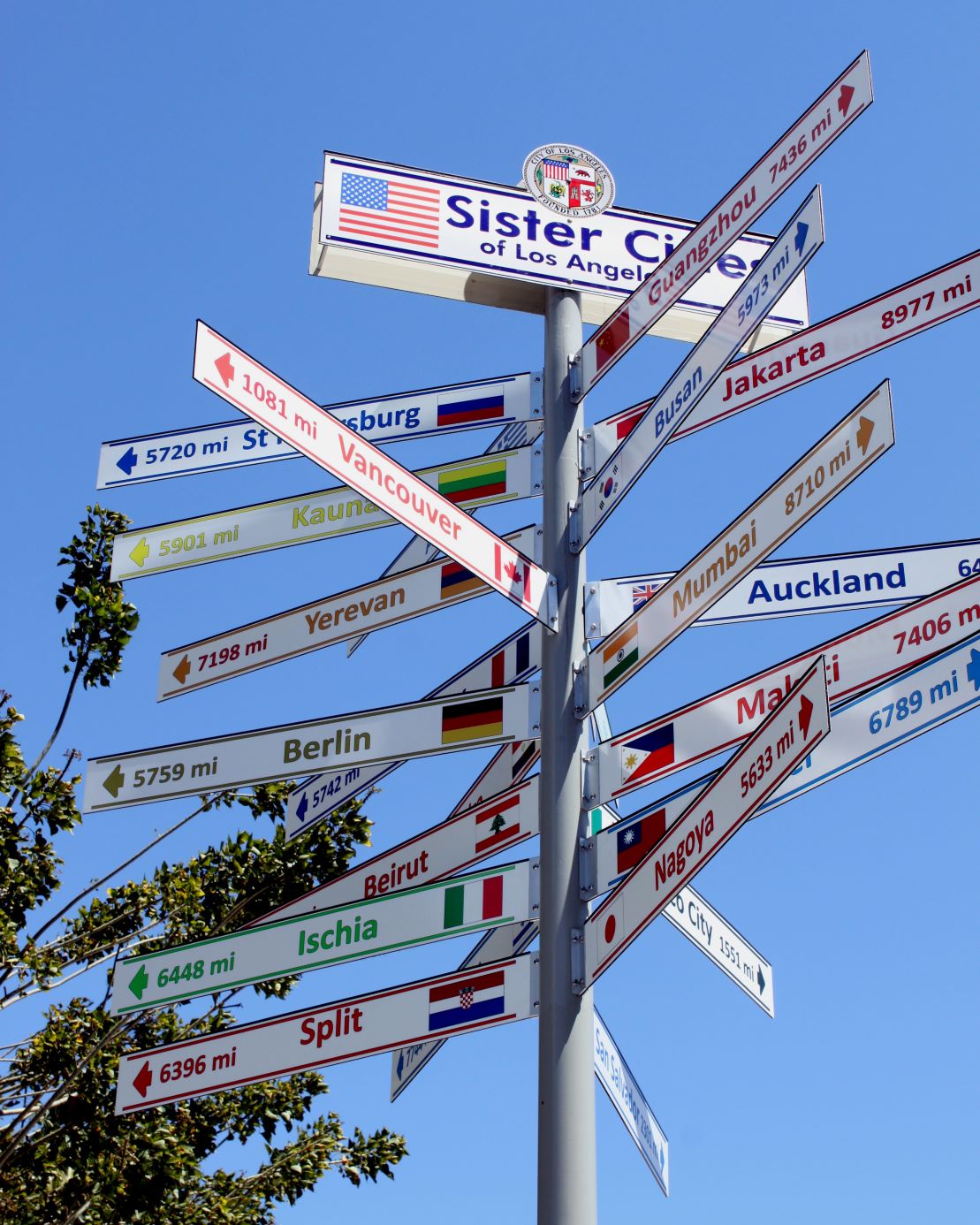
Los Angeles Sisters Cities sign in downtown L.A
Works such as Black Orpheus (1950) introduced global audiences to bossa nova, samba, and the beauty of Brazilian culture, landscapes, and people. Artists like Michael Jackson also highlighted Brazil’s cultural presence, filming music videos in Salvador and Rio de Janeiro in 1996.
These cultural moments helped shape international perceptions of Brazil and continue to inspire interest in its heritage.
Correcting Misconceptions and Promoting Salvador
Members of the Los Angeles–Salvador Sister City committee emphasize their mission to:
- Correct misconceptions about Brazil
- Educate about the realities of Brazilian society
- Highlight Salvador’s historical and cultural richness
- Showcase its African heritage and identity
- Promote cultural tourism and business opportunities
Committee chair Linda Yudin noted, “There are many commonalities when you look at the issues facing Los Angeles and Salvador.”
A guest at a committee mixer described Salvador as “the central beginning, the soul of Brazil.” Meanwhile, new member Barry Stinston expressed his commitment simply: “I’m Salvador and Salvador is me.”
Conclusion
The Los Angeles–Salvador Sister City relationship continues to serve as a bridge between two culturally rich cities, fostering understanding, friendship, and shared growth through citizen diplomacy and cultural exchange.
For more information or to join the committee please reach the Committee members at the Facebook Community Organization page. To be updated about Brazilian events in Los Angeles, we invite you to check the events page of Soul Brasil, updated twice a week.
FAQ – Frequently Asked Questions
1. What is the Los Angeles–Salvador Sister City relationship?
It is a cultural and diplomatic partnership established in 1992 to promote exchange between Los Angeles, USA, and Salvador, Brazil.
2. What is the purpose of Sister Cities programs?
They aim to promote peace, cultural understanding, tourism, and economic collaboration between international cities.
3. How is the LA–Salvador program organized?
It operates under Sister Cities of Los Angeles, Inc., part of a global network connected to Sister Cities International.
4. Why is Salvador important culturally?
Salvador is known for its strong African heritage, rich cultural traditions, music, and historical significance in Brazil.
5. How can people join or learn more?
Interested individuals can contact the committee via its Facebook Community Organization page or follow Brazilian cultural events in Los Angeles.